
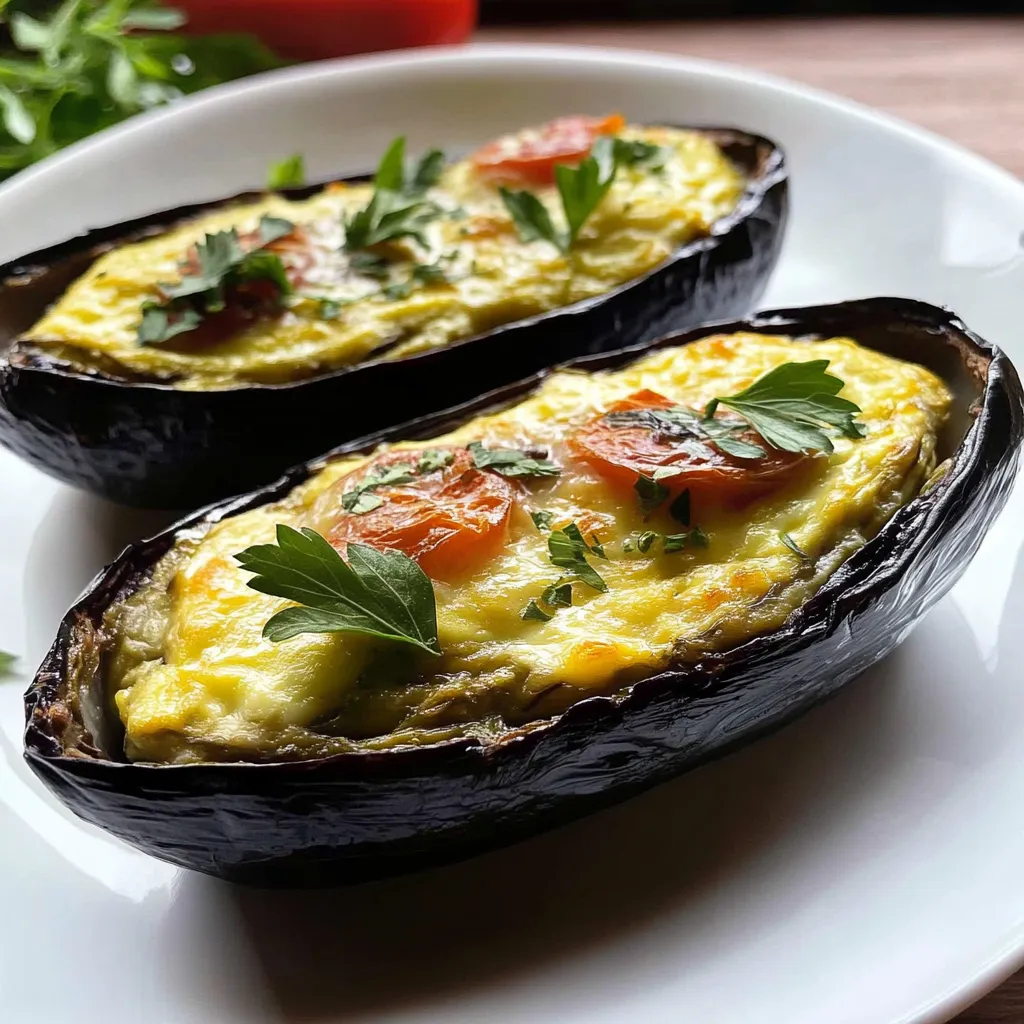
A Beloved Greek Classic with a Cozy, Homemade Feel
Papoutsakia, which literally means “little shoes” in Greek, is one of those dishes that instantly feels like home food. The eggplants cradle a rich meat sauce and a silky béchamel topping, and the whole thing bakes into something deeply comforting and satisfying. The first time I made this, I remember being surprised by how familiar it felt, even though I hadn’t grown up eating it.
As it bakes, the kitchen fills with the smell of roasted eggplant, warm spices, and creamy sauce. It’s hearty without being heavy, and every bite feels balanced. This is the kind of recipe you make when you want to slow down and cook something with care.
Ingredients You’ll Need for Authentic Papoutsakia
This recipe has a few components, but each one is simple and purposeful. Once everything is prepped, it comes together smoothly.
Ingredients
- 4 medium eggplants
- 3 tablespoons olive oil
- Salt, pepper, oregano to taste
For the meat filling
- 1 pound ground beef and/or lamb
- 3 tablespoons olive oil
- 1 onion, minced
- 2 cloves garlic, minced
- 3 medium fresh tomatoes, chopped
- 1 can chopped tomatoes
- 1 pinch sugar
- 1 cinnamon stick or ground cinnamon, optional
- 2 tablespoons parsley and/or mint, chopped
- Salt and pepper to taste
For the béchamel sauce
- 1 1/8 cups milk
- 1/8 cup all-purpose flour
- 1/8 cup butter
- 2 egg yolks, beaten
- 2/3 cup grated parmesan, pecorino, or kefalotyri cheese
- Nutmeg, optional
- Salt and pepper to taste
Preparing the Eggplants for Roasting
Start by preheating your oven to 392°F. Slice the eggplants in half lengthwise and lightly sprinkle the flesh with salt. This step helps draw out excess moisture and any bitterness. After about 15 minutes, rinse them, pat them dry, and score the flesh gently with a knife, being careful not to cut through the skin.
Brush the cut sides generously with olive oil and season with salt, pepper, and oregano. Place them cut side down on a lined baking tray and bake until they’re soft and lightly golden. You should be able to press the flesh easily with a spoon. Set them aside while you prepare the filling.
Building a Rich and Flavorful Meat Sauce
Heat olive oil in a large pan over medium heat and sauté the minced onion until soft and translucent. Add the garlic and cook briefly until fragrant. Then add the ground meat, breaking it up as it cooks. You want it browned but not dry.
Stir in the fresh tomatoes, canned tomatoes, sugar, and cinnamon if you’re using it. The cinnamon is subtle but important—it adds warmth without overpowering the dish. Let the sauce simmer until thick and rich. Once off the heat, stir in the grated cheese and chopped herbs. I love the freshness mint adds here, especially against the savory meat.
Making a Smooth, Creamy Béchamel Sauce
In a saucepan, melt the butter over medium heat. Add the flour and stir continuously until it forms a smooth paste. Gradually whisk in the milk, taking your time to avoid lumps. Keep stirring until the sauce thickens and coats the back of a spoon.
Remove it from the heat and stir in nutmeg if using, the grated cheese, egg yolks, salt, and pepper. The sauce should be creamy, rich, and smooth. If it feels too thick, a splash of warm milk will loosen it nicely.
Assembling the Papoutsakia Step by Step
Turn the baked eggplant halves cut side up and gently press the flesh down to create space for the filling. Spoon the meat sauce generously over each eggplant half, making sure every bite gets plenty of flavor.
Top each one with a thick layer of béchamel sauce. Don’t be shy here—this is where that signature creamy finish comes from. Smooth the tops lightly with a spoon.
Baking Until Golden and Comforting
Lower the oven temperature to 356°F and return the eggplants to the oven. Bake until the béchamel is set and lightly browned on top. You’ll notice the edges bubbling gently and the aroma becoming richer and more inviting. Let them rest for a few minutes before serving so everything settles.
Serving and Storing Greek Stuffed Eggplant
Papoutsakia is best served warm, straight from the oven. I usually pair it with a simple Greek salad or some crusty bread to soak up any extra sauce. It’s filling enough to stand on its own, but it also works beautifully as part of a larger spread.
Leftovers keep well in the fridge for up to three days. Reheat gently in the oven so the béchamel stays creamy rather than drying out.
Variations and Simple Adaptations
You can easily adapt this dish to your taste. Use all lamb for a richer flavor or all beef for something milder. For a lighter version, reduce the béchamel topping slightly or use milk with lower fat.
If you prefer a vegetarian option, a lentil and mushroom filling works surprisingly well and still feels hearty and satisfying.
Nutrition Snapshot and Balance
Papoutsakia is a well-rounded dish with protein from the meat, fiber from the eggplant, and calcium from the cheese and milk. It’s rich, yes, but it’s also nourishing and filling, which means smaller portions are usually enough.
Papoutsakia Questions Answered
Can I prepare this in advance
Yes, you can assemble everything ahead of time and refrigerate it. Bake just before serving for the best texture.
Why is cinnamon used in the meat sauce
Cinnamon adds warmth and depth without making the dish sweet. It’s a classic Greek touch.
Can I freeze stuffed eggplants
You can freeze them after baking, but the béchamel may change texture slightly when reheated.
What cheese works best
Kefalotyri is traditional, but parmesan or pecorino work beautifully and are easier to find.
Papoutsakia is one of those recipes that rewards patience. When you sit down with a fork and cut into that soft eggplant, savory filling, and creamy topping, you’ll understand why this Greek classic has been loved for generations.