A Sweet Taste of Nostalgia – The Story Behind Old Fashioned Orange Candy
Pea bruschetta might sound modern, but for me it taps into the same feeling as old-fashioned recipes that celebrate simple ingredients. This is the kind of dish I make when I want something light yet satisfying, usually in early spring when I’m craving fresh flavors after heavier winter food.
I first made this pea crostini on a whim, with a bag of frozen peas and a half loaf of ciabatta that needed using. One taste and I was hooked. It’s creamy, bright, and savory all at once. You’ll notice the aroma immediately when the warm toast meets the garlic, and that fresh green pea spread just smells clean and vibrant. It’s the sort of appetizer that feels effortless but always gets compliments.
What You’ll Need to Make These Sparkling Citrus Treats
This recipe relies on a short list of ingredients, so each one really matters. Frozen peas work beautifully here, which I love, because it means you can make this any time of year.
Ingredients:
- 1 cup frozen peas, defrosted
- Small handful of pea shoots (optional)
- ¼ cup grated parmesan cheese
- 3 tablespoons olive oil
- 1 teaspoon lemon juice
- ½ clove garlic
- Salt, to taste
- Black pepper, to taste
- 6 slices ciabatta
- 2 tablespoons olive oil
- ½ clove garlic
- Extra pea shoots, for serving
- Fresh parmesan, for serving
- Lemon zest, for serving
- Extra virgin olive oil, for drizzling
- Black pepper, for serving
Preparing Your Oranges for Perfect Candying
For this recipe, preparation is all about getting the peas ready. Once they’re fully defrosted, give them a quick pat dry if they seem watery. Too much moisture can make the spread loose rather than creamy.
I like to taste a pea or two at this stage. If they’re naturally sweet, you’re already halfway there. The pea shoots are optional, but I enjoy the extra freshness they add. They blend right in and give the spread a slightly grassy, garden-like note.
Crafting the Syrup – The Secret to a Glossy Finish
Instead of syrup, this recipe’s magic happens in the food processor. Add the peas, pea shoots if you’re using them, grated parmesan, olive oil, lemon juice, half a clove of garlic, salt, and black pepper.
Pulse rather than fully blend. You’re aiming for a rough, spoonable paste, not a silky purée. I usually stop once or twice to scrape down the sides and give it a taste. This is where you adjust seasoning. Sometimes it needs an extra pinch of salt, sometimes a few more drops of lemon juice. Trust your palate here.
Simmer, Soak, and Sweeten – How to Candy Orange Slices Like a Pro
While the pea mixture rests, preheat your broiler or grill. Slice the ciabatta and lay the pieces out on a baking tray. Drizzle both sides lightly with olive oil.
Toast the bread for a few minutes per side until crisp and golden. Keep an eye on it—ciabatta can go from perfect to burnt very quickly. As soon as the slices come out and are still warm, rub them lightly with the cut garlic clove. This step seems small, but it adds a gentle garlic perfume without overpowering the peas.
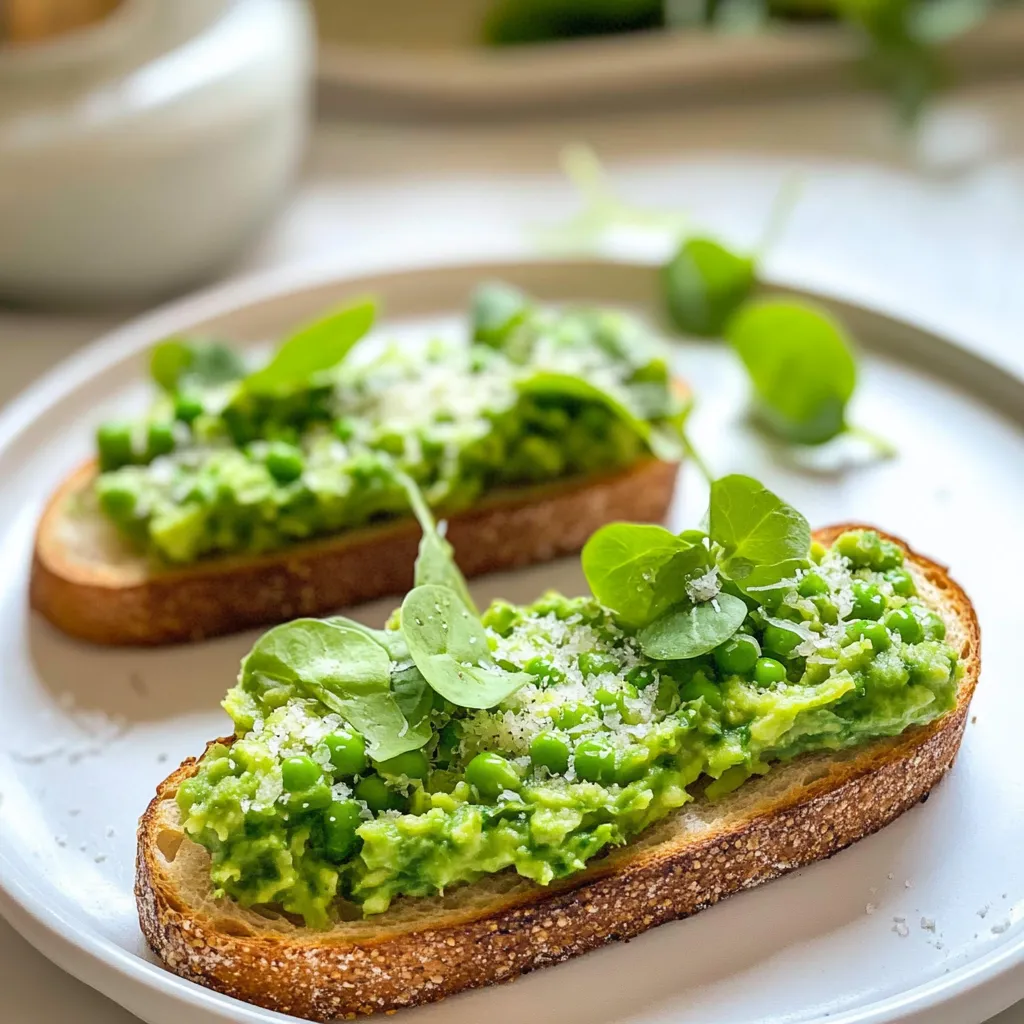
Once the bread is ready, spread the pea mixture generously over each slice. Don’t be shy here. The contrast between crunchy toast and creamy topping is what makes this dish work so well.
Tips for Even Cooking and Preventing Bitterness
- Don’t overprocess the peas. A little texture keeps the spread lively.
- Use good olive oil. You’ll taste it, especially in the final drizzle.
- Toast the bread well. Soft bread won’t hold the topping properly.
- Go easy on the garlic. Half a clove is plenty; more can overpower the peas.
These little details are what turn a simple crostini into something memorable.
Coating and Drying – Achieving That Signature Crystallized Crunch
Instead of drying, this step is all about finishing. Once the pea mixture is spread, top each bruschetta with freshly grated parmesan, a pinch of lemon zest, and a few extra pea shoots.
Finish with a light drizzle of extra virgin olive oil and a crack of black pepper. The surface should look glossy and inviting, with pops of green and white. I love how the lemon zest perfumes the whole plate without stealing the show.
Serving and Storing Your Homemade Orange Candy
Pea bruschetta is best served immediately while the toast is still warm and crisp. I usually arrange them on a wooden board or simple platter and let everyone help themselves.
If you need to prep ahead, you can make the pea spread a few hours in advance and store it covered in the fridge. Toast and assemble just before serving. Once assembled, they don’t store well, as the bread will soften over time.
Creative Ways to Use Candied Oranges in Desserts and Gifts
This pea spread is surprisingly versatile. I often spoon leftovers onto crackers, swirl it into pasta with a splash of pasta water, or use it as a sandwich spread with roasted vegetables.
It also works beautifully as part of a spring appetizer spread alongside olives, marinated vegetables, and a simple green salad. It’s one of those recipes that quietly adapts to whatever you need.
Variations to Try – From Lemon Slices to Chocolate-Dipped Twists
You can easily customize this recipe. Swap parmesan for pecorino for a sharper bite, or add a handful of fresh herbs like mint or basil for a more aromatic version.
For a richer spread, try blending in a spoonful of ricotta. If you like heat, a pinch of chili flakes on top adds a gentle kick that works surprisingly well with the sweet peas.
Nutrition Snapshot – Sweet Facts About This Classic Treat
Pea bruschetta is naturally rich in plant protein and fiber thanks to the peas, with healthy fats from olive oil and a savory boost from parmesan. It feels indulgent but is actually quite balanced, especially when served as part of a larger meal or shared appetizer.
Sweet Questions Answered – Your Orange Candy FAQ Corner
Can I use fresh peas instead of frozen?
Yes, absolutely. Just blanch them briefly in salted water and cool before blending.
Can I make the pea spread ahead of time?
Yes, it can be made up to a day ahead and kept covered in the fridge. Stir well before using.
What bread works best if I don’t have ciabatta?
Sourdough, baguette, or any rustic loaf with a good crust works well.
Is this recipe vegetarian?
Yes, it is vegetarian. You can make it vegan by omitting the parmesan or using a plant-based alternative.
Can I serve this cold?
You can, but it’s best with warm toast. The contrast in temperature and texture really brings the flavors to life.
This Pea Bruschetta is one of those recipes that feels fresh every time I make it. It’s simple, adaptable, and full of flavor, the kind of dish you’ll find yourself coming back to whenever you want something light, green, and satisfying.