
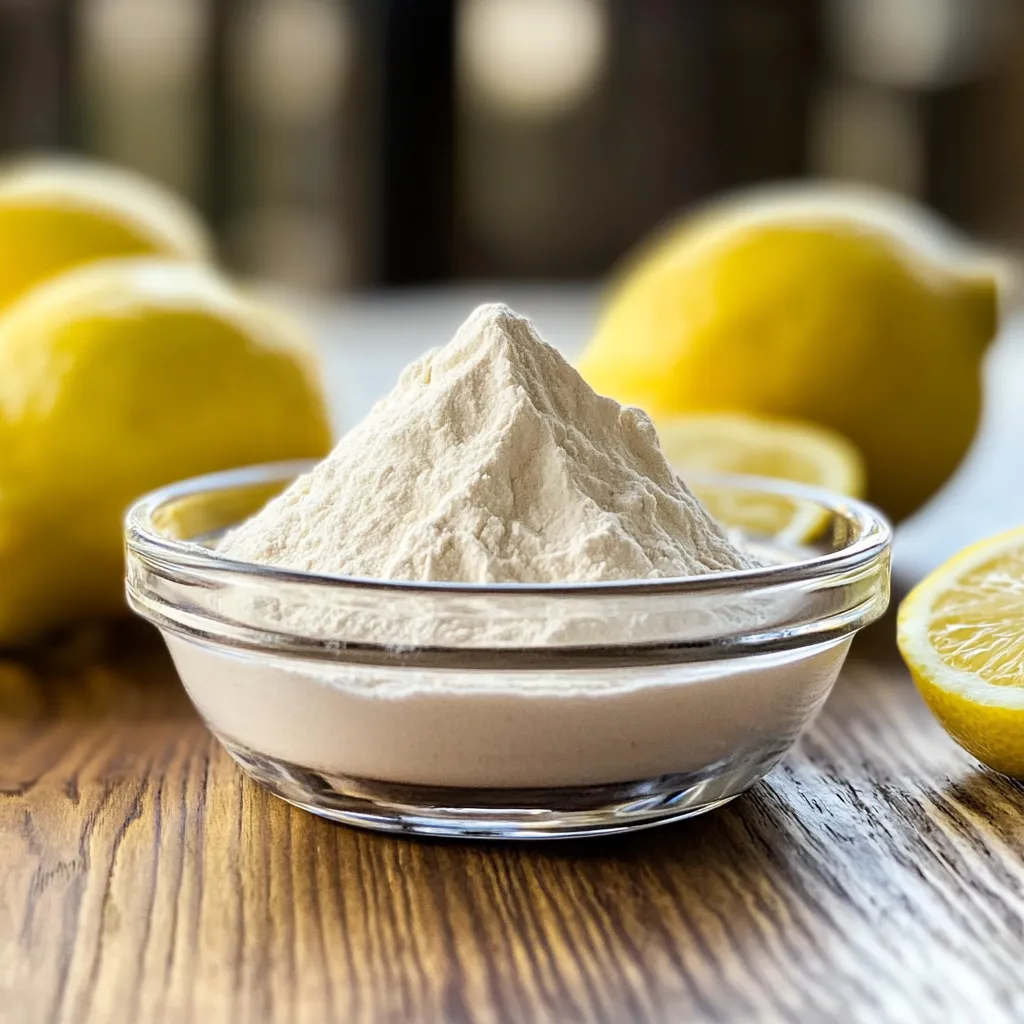
A Sweet Taste of Nostalgia – The Story Behind Lemon Powder
Lemon powder feels like one of those clever kitchen secrets passed down from thrifty home cooks who hated wasting anything. I first made it when I had a pile of lemons that were starting to look a little sad, and I didn’t want to throw them away. Drying the peels and turning them into powder felt almost magical—suddenly, all that fresh citrus aroma was captured in a jar.
There’s something deeply satisfying about preserving flavor this way. You’ll notice the scent instantly when you open the container: bright, sharp, and pure lemon. It reminds me of sunny mornings and freshly baked desserts. Once you make it once, you’ll wonder how you ever cooked without it.
What You’ll Need to Make This Zesty Citrus Powder
This recipe is as simple as it gets. The only real requirement is good-quality lemons, preferably organic since you’re using the peel.
Ingredients:
- 6–8 organic lemons
That’s it. No additives, no preservatives—just concentrated lemon flavor.
Preparing Your Lemons for Perfect Drying
Start by washing the lemons thoroughly under cool running water. Even organic lemons can carry residue, so I like to give them a gentle scrub with my hands or a soft brush. Dry them completely with a clean kitchen towel. Moisture is the enemy here, so take your time.
Next comes peeling. Use a vegetable peeler or a small sharp knife to remove only the yellow zest. Try to avoid the white pith underneath as much as possible—it’s bitter and can overpower the fresh citrus taste. Don’t worry if a little slips in; perfection isn’t required, just do your best.
Crafting the Base – Why Proper Drying Matters
Arrange the lemon peels in a single layer on dehydrator trays or on a baking sheet lined with parchment paper. Make sure the pieces don’t touch each other. Air circulation is what allows them to dry evenly and prevents any chance of mold.
Set your dehydrator or oven to a very low temperature. The goal is to dry, not cook. This step takes patience, but it’s worth it. When they’re done, the peels should be completely brittle and snap cleanly when bent. If they feel leathery at all, they need more time.
Simmer, Soak, and Sweeten – How to Transform Zest into Powder Like a Pro
Once the peels are fully dried, let them cool completely. Warm peels can create condensation when ground, which you don’t want.
Break the dried peels into smaller pieces and place them into a blender, food processor, or coffee grinder. Pulse in short bursts until they turn into a fine powder. You’ll see a soft yellow dust form, and the smell will be incredible—like lemon candy without the sugar.
To make the powder extra smooth, sift it through a fine mesh strainer. Any larger bits can go right back into the grinder for another round. This extra step makes the powder look and feel professional.
Tips for Even Drying and Avoiding Bitterness
- Avoid the white pith. It’s the main source of bitterness.
- Dry completely. Any moisture left behind can cause clumping or spoilage.
- Use low heat. High temperatures dull the lemon flavor and darken the color.
- Grind in small batches. This keeps the powder light and even.
These little details make a big difference in both taste and shelf life.
Coating and Drying – Achieving That Signature Fine Texture
After grinding and sifting, your lemon powder should feel soft and airy, almost like flour. If it seems slightly coarse, don’t rush—just regrind until you’re happy with the texture.
Transfer the finished powder into a clean, dry, airtight glass container. I like using small jars so I’m not opening the same container over and over. Store it in a cool, dark place to protect the color and flavor.
Serving and Storing Your Homemade Lemon Powder
Lemon powder is incredibly convenient. You can sprinkle it directly into recipes without worrying about fresh zest going bad. It keeps well for several months when stored properly, and even longer if kept away from heat and light.
I keep mine in a cupboard near the stove so it’s always within reach. Every time I open the jar, the aroma reminds me why I made it in the first place.
Creative Ways to Use Lemon Powder in Desserts and Gifts
This powder shines in baked goods like cookies, cakes, and muffins. It’s also fantastic stirred into sugar for lemon-flavored topping, mixed into salt for seasoning fish or chicken, or blended into tea and smoothies.
It also makes a lovely homemade gift. A small jar tied with twine and labeled “Homemade Lemon Powder” feels thoughtful and personal, especially for friends who love to cook.
Variations to Try – From Orange Powder to Lime Zest Blends
Once you master lemon powder, try making orange, lime, or grapefruit powder the same way. You can even combine them for a citrus blend that works beautifully in marinades and desserts.
If you enjoy warm flavors, mix a little lemon powder with dried ginger or vanilla powder for a unique twist. It’s fun to experiment and find your favorite blend.
Nutrition Snapshot – Bright Flavor Without Added Sugar
Lemon powder contains natural vitamin C and antioxidants from the peel. Since it’s pure zest with no sugar or salt added, it’s a flavorful way to enhance food without extra calories. A small pinch adds a lot of taste, so a little goes a long way.
Sweet Questions Answered – Your Lemon Powder FAQ Corner
How long does homemade lemon powder last?
Stored in an airtight container in a cool, dark place, it can last up to six months or longer if completely dry.
Can I use non-organic lemons?
You can, but it’s best to scrub them very well since the peel is what you’re using. Organic lemons are safer and more flavorful.
Why is my powder clumping?
That usually means the peels weren’t fully dried. Try re-drying the powder in a low oven for a short time and letting it cool before storing again.
Can I use lemon powder instead of fresh zest?
Yes. About one teaspoon of lemon powder equals the zest of one lemon, though you can adjust to taste.
What’s the best grinder to use?
A coffee grinder works wonderfully, but a blender or food processor also does the job if the peels are fully brittle.
Making your own lemon powder is one of those small kitchen projects that feels both old-fashioned and modern at the same time. It saves waste, boosts flavor, and gives you a bright burst of citrus whenever you need it. Once you try it, you’ll probably keep a jar on hand all year long.