
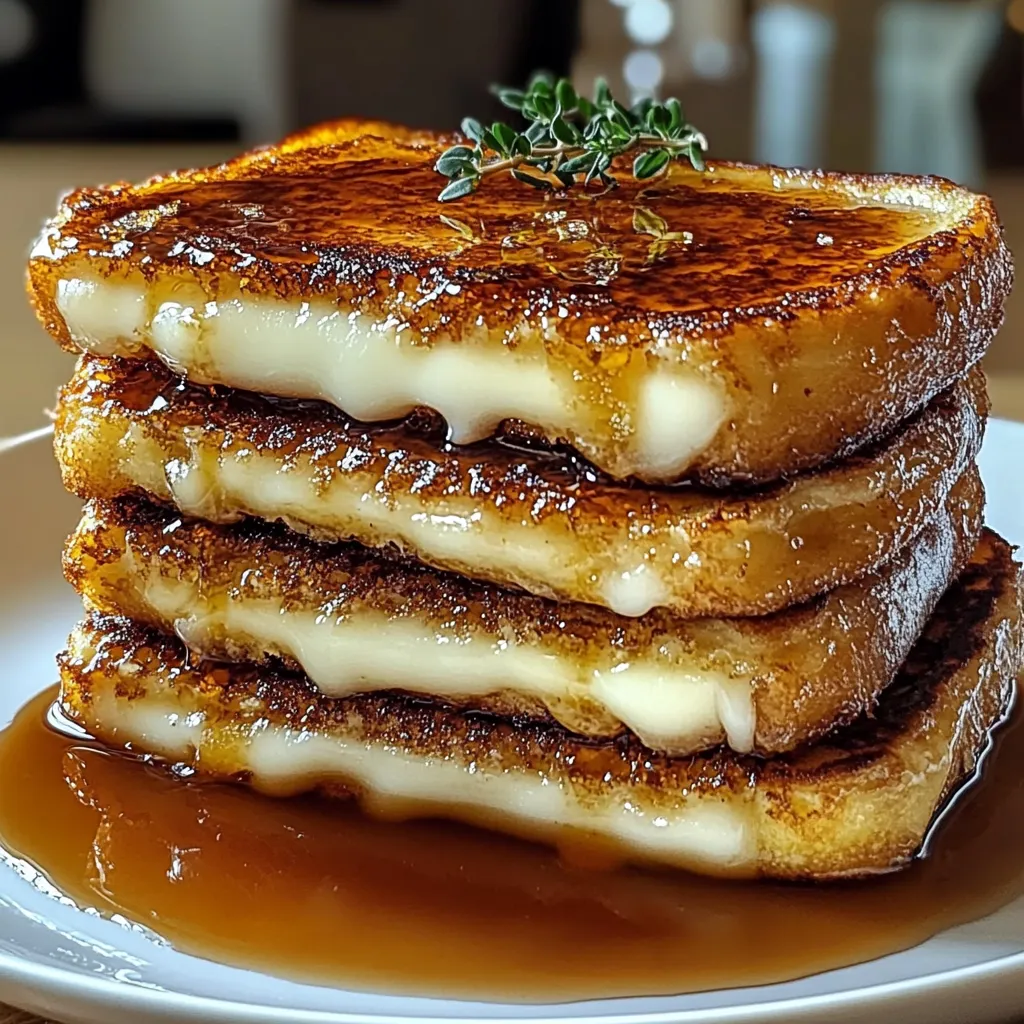
Why Crème Brûlée French Toast Feels So Special
Crème Brûlée French Toast is one of those recipes that instantly feels indulgent, even before it goes into the oven. It takes the comfort of classic French toast and gives it a dessert-level upgrade. You get soft, custardy bread underneath and that unmistakable crackly sugar topping on top—the kind you tap with a spoon just to hear it shatter.
I love making this when I want breakfast to feel slow and intentional. It’s perfect for weekends, holidays, or anytime you want to impress without standing over the stove flipping slices one by one. The smell alone—vanilla, cream, and warm bread—is enough to pull everyone into the kitchen.
Ingredients You’ll Need for Crème Brûlée French Toast
This recipe uses simple ingredients, but together they create something rich and elegant. Brioche or challah works best because both breads soak up custard beautifully without falling apart.
Ingredients:
- 1 loaf brioche or challah bread, sliced thick
- 4 large eggs
- 1 cup whole milk
- 1/2 cup heavy cream
- 1/2 cup granulated sugar
- 1 tablespoon vanilla extract
- 1/2 teaspoon ground cinnamon
- Pinch of salt
- Granulated sugar for caramelized topping
Choosing the Right Bread for a Custardy Center
Bread matters more than you might think here. I always reach for brioche or challah because they’re rich, slightly sweet, and sturdy enough to absorb the custard without turning soggy. Slightly stale bread is actually ideal—it drinks up the liquid better and bakes into that soft, pudding-like interior.
Slice the loaf thickly, about one inch per slice. Thin slices won’t give you that luxurious texture that makes this dish feel like a cross between French toast and bread pudding.
Mixing the Custard for Rich, Balanced Flavor
In a large bowl, whisk together the eggs, whole milk, heavy cream, granulated sugar, vanilla extract, cinnamon, and salt. Take a moment here—make sure everything is fully combined and smooth. You don’t want streaks of egg or sugar sitting at the bottom.
The custard should smell lightly sweet and creamy, with just a hint of cinnamon. I always sneak a quick smell at this stage—it’s a small pleasure, but it tells you the flavors are right where they should be.
Assembling the French Toast for Even Soaking
Grease a baking dish generously, then arrange the bread slices inside, slightly overlapping. Don’t worry about perfection; a little unevenness actually helps the custard settle into all the gaps.
Slowly pour the custard mixture over the bread, making sure every slice gets coated. I gently press the bread down with my hands or a spatula so it absorbs the liquid evenly. You’ll notice the bread softening almost immediately—that’s exactly what you want.
Let it sit for a few minutes if you have time. This extra soak makes the inside especially tender once baked.
Baking Until Golden and Set
Place the dish into a preheated oven and bake until the custard is fully set and the top turns lightly golden. The center should no longer jiggle when you gently shake the pan.
As it bakes, the kitchen fills with that warm, bakery-style aroma. The edges puff slightly, and the top dries just enough to prepare it for the caramelized sugar layer.
Creating the Signature Crème Brûlée Sugar Crust
Once baked, remove the dish from the oven and sprinkle a thin, even layer of granulated sugar over the surface. This step is where the magic happens.
Using a kitchen torch, slowly melt the sugar until it bubbles and turns deep golden. If you don’t have a torch, the broiler works too—just keep a very close eye on it. Sugar can go from perfect to burnt in seconds.
Let the caramelized top cool for a minute or two. As it sets, it hardens into that classic crackly crust that makes crème brûlée so satisfying.
Serving Tips and Texture Expectations
This French toast is best served warm, when the contrast between the crisp sugar topping and the creamy interior is at its peak. I love serving it as-is, but it’s also wonderful with fresh berries or a light dusting of powdered sugar on the sides.
When you cut into it, you should hear that gentle crack from the top, followed by a soft, custard-rich center. It’s decadent without being heavy—exactly what a special breakfast should feel like.
Variations to Make It Your Own
If you want to switch things up, try adding orange zest or a splash of maple syrup to the custard. A pinch of nutmeg can replace or complement the cinnamon for a warmer spice note.
For an overnight version, assemble everything the night before, cover, and refrigerate. Bake it in the morning and finish with the sugar topping just before serving—it’s a lifesaver for brunch gatherings.
Crème Brûlée French Toast FAQ
Can I make this ahead of time?
Yes. You can bake it ahead and reheat gently, but always caramelize the sugar topping just before serving for the best texture.
What if I don’t have a kitchen torch?
Use the broiler, placing the dish close to the heat and watching carefully. Rotate if needed for even caramelization.
Why is my French toast soggy?
This usually means it didn’t bake long enough or the bread was too thin. Make sure the custard is fully set before adding the sugar topping.
Can I use low-fat milk instead of cream?
You can, but the texture will be less rich. The combination of milk and cream is what gives this dish its signature crème brûlée feel.
Crème Brûlée French Toast is one of those recipes that feels a little fancy but is completely doable at home. Once you crack through that sugar top and taste the creamy center, you’ll understand why it’s worth every step.