
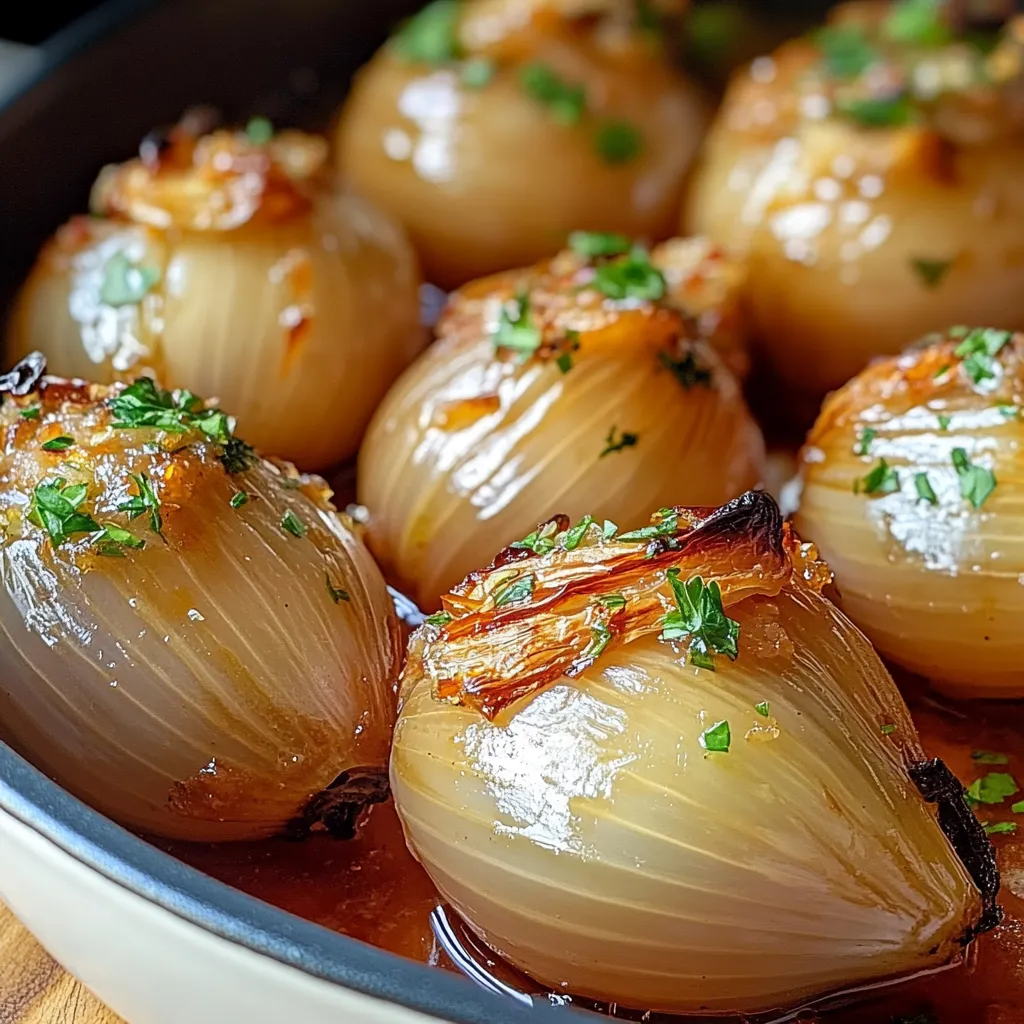
A Traditional Dish with Deep Roots in Home Cooking
Turkish Stuffed Onions, known as Soğan Dolması, are one of those dishes that feel humble and special at the same time. They’re not flashy, but they carry generations of kitchen wisdom in every bite. I first learned about this dish through family-style meals where everything was placed in the center of the table and eaten slowly, with lots of bread and conversation.
The beauty of stuffed onions is how the onion itself transforms. What starts sharp and pungent becomes soft, sweet, and silky after cooking. The aroma alone—warm spices, tomato, herbs, and tender onions—lets you know you’re in for something comforting. This is the kind of recipe you make when you want real food that feels nourishing and soulful.
Ingredients You’ll Need for Turkish Stuffed Onions
This recipe uses simple ingredients, but together they create layers of flavor. You can make it with meat or keep it vegetarian—it works beautifully either way.
Ingredients:
- 6 large onions
- 1/2 cup short-grain rice, rinsed
- 1/2 lb ground beef or lamb (optional)
- 2 tablespoons olive oil
- 1 small tomato, finely chopped
- 1 garlic clove, minced
- 1 teaspoon ground cinnamon
- 1 teaspoon ground allspice
- 1 teaspoon paprika
- 1/2 teaspoon salt
- 1/2 teaspoon black pepper
- 2 tablespoons fresh parsley, chopped
- 2 tablespoons fresh mint, chopped
- 1 cup tomato sauce
- 1 cup vegetable or chicken broth
Preparing the Onions for Stuffing
This step looks a little intimidating at first, but once you do it once, it becomes second nature. Start by peeling the onions and trimming off the root end slightly, just enough to loosen the layers.
Place the onions whole in a pot of boiling water and cook them until they’re just softened—not fully tender. This usually takes about 10 minutes. You want them pliable but not falling apart. Drain them, let them cool until you can handle them comfortably, then gently separate the layers. I usually start from the outside and work my way in, being careful not to tear them. If one layer breaks, don’t worry—you can still use it.
Mixing the Filling the Traditional Way
In a large bowl, combine the rinsed rice, ground meat if you’re using it, chopped tomato, garlic, cinnamon, allspice, paprika, salt, black pepper, parsley, and mint. Drizzle in the olive oil and mix everything well using your hands or a spoon.
The mixture should smell fragrant and slightly spiced, not overpowering. I always take a moment here to inhale—that mix of mint, cinnamon, and tomato is a giveaway that something special is coming. The rice will cook later, so don’t worry if it feels a bit firm at this stage.
How to Stuff and Roll the Onion Layers
Lay an onion layer flat on your work surface, curved side down. Place a small amount of filling near one end—don’t overfill, or it won’t roll properly. Gently roll the onion around the filling, tucking it in snugly like a little parcel.
Arrange the stuffed onions seam-side down in a baking dish, packing them closely together. This helps them keep their shape while cooking and prevents them from unraveling. I actually enjoy this part—it’s repetitive and calming, and you can really take your time.
Baking with Sauce for Tender, Flavorful Results
Once all the onions are stuffed and arranged, pour the tomato sauce and broth evenly over the dish. The liquid should come up partway around the onions, not completely submerge them. This creates a gentle braising effect while baking.
Cover the dish tightly with foil or a lid and bake in a preheated oven at 180°C (350°F) until the onions are fully tender and the filling is cooked through. This usually takes about 45 to 60 minutes. Halfway through, you might notice the most incredible smell drifting through the kitchen—that’s when you know it’s working.
Tips for Perfect Texture and Balanced Flavor
- Don’t overboil the onions at the start, or they’ll tear easily.
- Pack the stuffed onions tightly so they don’t open while baking.
- If the dish looks dry near the end, add a small splash of hot broth.
- Let the dish rest for 10 minutes after baking to allow the flavors to settle.
These little details make a big difference in the final result.
How to Serve and Store Stuffed Onions
Turkish Stuffed Onions are best served warm, with a spoonful of the tomato sauce from the dish drizzled over the top. I love serving them with plain yogurt, crusty bread, or a simple cucumber salad on the side.
For storage, place leftovers in an airtight container and refrigerate for up to three days. They reheat beautifully and, honestly, taste even better the next day once the flavors have had time to meld.
Variations You Can Try at Home
You can easily make this dish vegetarian by skipping the meat and adding a bit more rice or finely chopped vegetables like onion or bell pepper to the filling. Some cooks also add pine nuts or currants for a slightly sweet contrast.
If you prefer a lighter version, you can cook the stuffed onions gently on the stovetop instead of baking, using a wide pot and low heat. Both methods are traditional and delicious.
Frequently Asked Questions About Turkish Stuffed Onions
Can I prepare this dish ahead of time?
Yes, you can assemble the stuffed onions a few hours in advance and keep them refrigerated until ready to bake.
What type of onions work best?
Large yellow or white onions are ideal because they soften well and have a balanced sweetness after cooking.
Is cinnamon really traditional in savory dishes?
Absolutely. In Turkish and Middle Eastern cooking, warm spices like cinnamon and allspice are commonly used in savory recipes to add depth, not sweetness.
Can I freeze stuffed onions?
They can be frozen after cooking, but the texture of the onion will be softer once thawed. They’re best enjoyed fresh or refrigerated.
Turkish Stuffed Onions are one of those recipes that quietly win you over. They’re comforting, aromatic, and deeply satisfying, and once you’ve made them a couple of times, they start to feel like a dish you’ve always known how to cook.