
A Sweet Taste of Nostalgia – The Story Behind Old Fashioned Orange Candy
This dish may not be “old fashioned” in the traditional sense, but it carries that same feeling of comfort and warmth that keeps you coming back to it. The first time I cooked Ethiopian-inspired food at home, the aroma alone stopped me in my tracks. Berbere spice has a way of filling the kitchen with depth and mystery—warm, smoky, slightly spicy, and incredibly inviting.
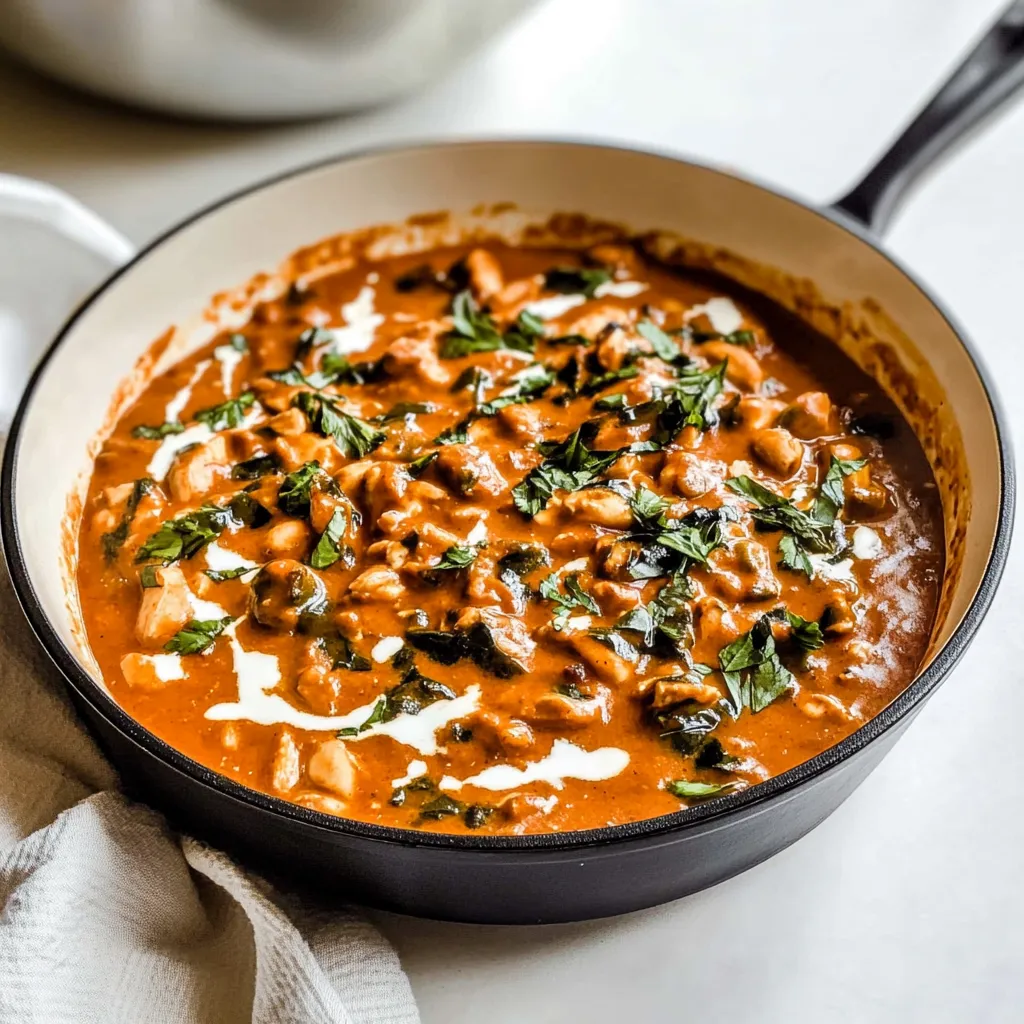
This creamy berbere chicken curry has become one of those recipes I return to when I want something soulful but still weeknight-friendly. It’s inspired by Ethiopian flavors but adapted for the home kitchen, using ingredients that are easy to find and techniques that don’t feel intimidating. Every time I make it, I’m reminded how powerful a simple spice blend can be.
What You’ll Need to Make These Sparkling Citrus Treats
This curry relies on a short but purposeful ingredient list. Each component plays a role, from the richness of coconut milk to the bold personality of berbere spice.
Ingredients:
- 1 pound boneless, skinless chicken thighs, cut into 1/2-inch pieces
- 2 tablespoons avocado oil
- 2 cups finely diced yellow onion
- 1 clove garlic, minced
- 1 tablespoon minced fresh ginger
- 2 tablespoons berbere spice mix
- 1 cup plain tomato sauce
- 1 can full-fat coconut milk (13.66 oz)
- 5 cups roughly chopped spinach (about 5 ounces)
- 1 teaspoon sea salt, or to taste
Preparing Your Oranges for Perfect Candying
Before you even turn on the stove, take a few minutes to prep everything. I’ve learned the hard way that once the cooking starts, things move quickly. Dice the onion finely so it melts into the sauce. Mince the garlic and ginger until fragrant and juicy. Cut the chicken into even pieces so it cooks evenly and stays tender.
Having everything ready makes the process smoother and more enjoyable. You’ll feel calmer, more in control, and that confidence always shows in the final dish.
Crafting the Syrup – The Secret to a Glossy Finish
Heat 1 tablespoon of avocado oil in a large skillet over medium-high heat. Once the oil shimmers, add the chicken pieces in a single layer. Let them sear without stirring too much—this helps build flavor. After about 4 to 5 minutes, the chicken should be mostly cooked and lightly golden.
Remove the chicken from the pan and set it aside. Don’t worry about bits stuck to the bottom of the skillet—that’s flavor, and it will become part of the sauce.
Simmer, Soak, and Sweeten – How to Candy Orange Slices Like a Pro
Lower the heat to medium-low and add the remaining tablespoon of avocado oil to the same pan. Add the diced onion, garlic, and ginger. Stir gently and sauté for 3 to 4 minutes, until the onions soften and turn translucent.
Add the berbere spice mix and stir well. You’ll notice the aroma instantly—it’s warm, earthy, and slightly fiery. Pour in the tomato sauce and coconut milk, stirring to combine. Bring the mixture to a gentle boil, then reduce the heat and let it simmer for about 10 minutes. This is where the sauce thickens and the flavors really come together.
Tips for Even Cooking and Preventing Bitterness
- Keep the heat moderate when adding spices; berbere can burn if the pan is too hot.
- Use full-fat coconut milk for the creamiest texture and best balance against the spice.
- Chicken thighs work best here—they stay juicy and forgiving if slightly overcooked.
- Taste the sauce before adding salt; berbere blends vary in intensity.
These little details make the difference between a good curry and a truly memorable one.
Coating and Drying – Achieving That Signature Crystallized Crunch
Return the cooked chicken to the simmering sauce and stir gently to coat each piece. Pile the spinach on top of the curry and let it sit for about a minute. It will look like too much at first, but it wilts quickly.
Once the spinach softens, stir it into the sauce. Season with sea salt to taste and remove from heat. The texture should be creamy and luscious, with tender chicken and just-wilted greens.
Serving and Storing Your Homemade Orange Candy
Serve this creamy berbere chicken curry immediately while it’s hot and fragrant. I love it over fluffy basmati rice, but it’s just as good with injera-style flatbread, naan, or even quinoa.
Leftovers keep well in an airtight container in the fridge for up to three days. The flavors deepen overnight, making it even better the next day. Reheat gently on the stove to keep the sauce silky.
Creative Ways to Use Candied Oranges in Desserts and Gifts
This curry is surprisingly versatile. Spoon leftovers into a wrap with fresh herbs for an easy lunch, or serve it over roasted vegetables for a lower-carb option. I’ve even used it as a filling for stuffed sweet potatoes, which turned out better than expected.
If you’re hosting, this dish makes a great centerpiece—bold flavors, comforting texture, and just enough spice to spark conversation.
Variations to Try – From Lemon Slices to Chocolate-Dipped Twists
You can easily adapt this recipe to suit your taste. Add bell peppers or zucchini for extra vegetables, or swap spinach for kale if that’s what you have on hand. For more heat, add a pinch of chili flakes. For less spice, reduce the berbere slightly and add a splash more coconut milk.
Vegetarian? Chickpeas or cauliflower work beautifully in place of chicken.
Nutrition Snapshot – Sweet Facts About This Classic Treat
This dish is naturally dairy-free and packed with protein, fiber, and iron-rich greens. Coconut milk adds healthy fats that make the meal satisfying, while spices like ginger and berbere bring warmth without heaviness. It’s comfort food that still feels nourishing.
Sweet Questions Answered – Your Orange Candy FAQ Corner
Can I use chicken breast instead of thighs?
Yes, but be careful not to overcook it. Chicken breast cooks faster and can dry out more easily.
Is berbere very spicy?
It depends on the blend. Some are mild and aromatic, others quite hot. Start with less if you’re unsure.
Can I freeze this curry?
Yes. Let it cool completely, then freeze in airtight containers for up to two months. Thaw overnight in the fridge before reheating.
What can I use instead of avocado oil?
Olive oil or coconut oil both work well and won’t overpower the flavors.
This creamy Ethiopian berbere chicken curry is one of those recipes that feels special without being complicated. Once you taste that rich, spiced sauce and tender chicken, you’ll understand why it earns a regular spot in my kitchen rotation.