
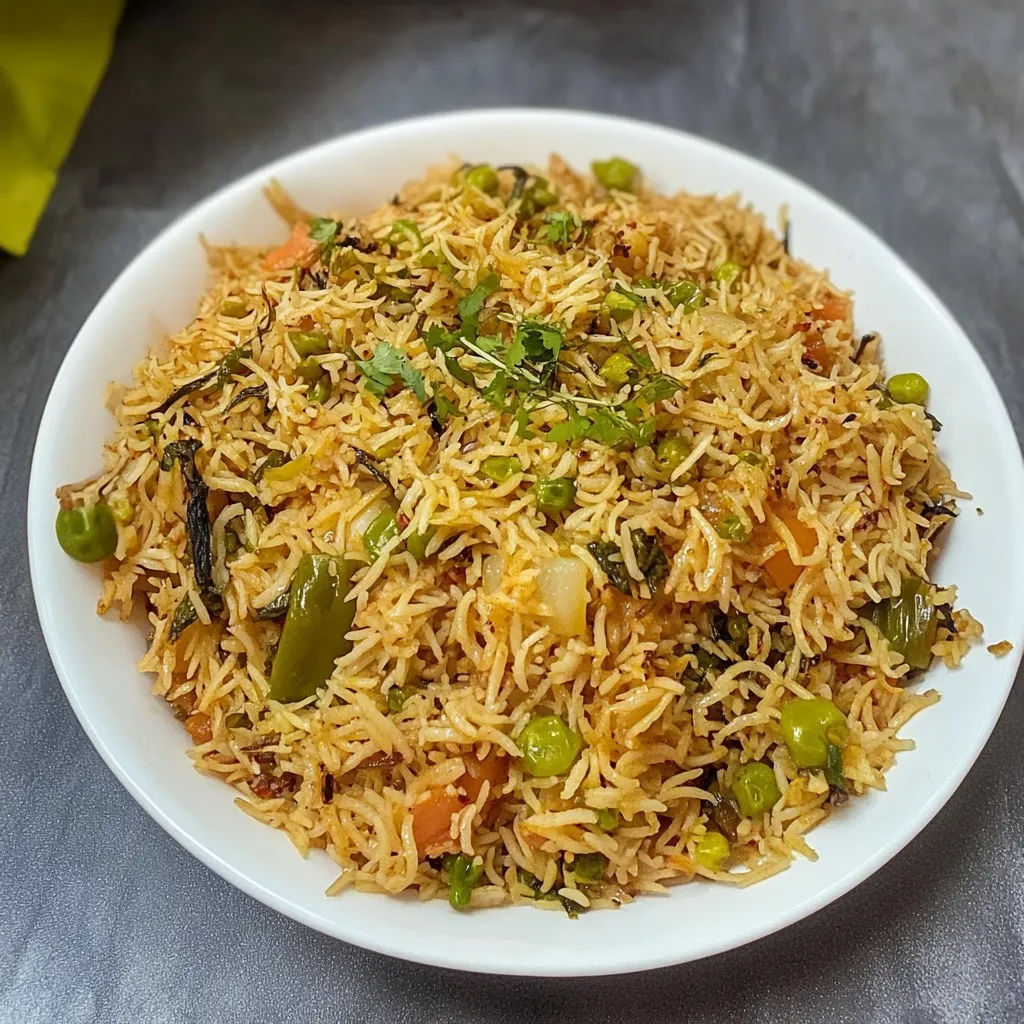
A Sweet Taste of Nostalgia – The Story Behind Vegetable Biryani
Vegetable Biryani is one of those dishes that instantly transports me back to family gatherings and festive occasions. The aroma of spices, sizzling onions, and basmati rice fills the kitchen in a way that’s almost hypnotic. It’s a dish that’s both comforting and celebratory, showcasing the magic that happens when simple ingredients—rice, vegetables, and spices—come together. I love how each layer builds flavor and texture, making every bite feel indulgent yet wholesome.
This recipe is my go-to for a hearty, vegetarian meal that feels special without being complicated. The beauty of biryani is in the aroma, the colorful presentation, and the balance of spices, which you’ll notice the moment it’s done cooking.
What You’ll Need to Make These Sparkling Citrus Treats
The ingredients for Vegetable Biryani are simple but flavorful. Using fresh vegetables and fragrant basmati rice makes all the difference.
Ingredients:
- 2 cups Basmati rice, soaked for 30 minutes and drained
- 1 cup cauliflower florets
- 1 large potato, cubed
- 1/2 cup green peas
- 2 large onions, thinly sliced
- 1 tablespoon ginger-garlic paste
- 3-4 whole green chilies
- 1 bay leaf
- 1 cinnamon stick
- 3 cardamom pods
- 4 cloves
- 1/2 teaspoon turmeric
- 1 teaspoon red chili powder
- 2 teaspoons Biryani Masala or Garam Masala
- 3 1/2 cups water or vegetable broth
- 3 tablespoons oil or ghee
- Fresh cilantro and mint leaves for garnish
These ingredients are easy to find, but together they create a symphony of flavors that’s unforgettable.
Preparing Your Aromatics and Rice for Perfect Biryani
Start by preparing your basmati rice. Soak it in water for at least 30 minutes, then drain. This helps the grains cook evenly and stay fluffy rather than sticky.
Slice the onions thinly, chop your vegetables, and measure out the spices. When everything is ready to go, cooking becomes smooth and enjoyable, and you’ll appreciate the layers of aroma that develop as you cook.
Crafting the Flavor Base – The Secret to Aromatic Biryani
Heat the oil or ghee in a large heavy-bottomed pot or pressure cooker. Add the whole spices—bay leaf, cinnamon, cardamom, and cloves—and let them sizzle for about 30 seconds until fragrant. The smell immediately fills the kitchen, giving you a hint of the depth of flavor to come.
Add the sliced onions and fry until golden brown, stirring occasionally to ensure they cook evenly and develop a sweet, caramelized flavor. I love watching the onions change color and smell their transformation—it’s one of the most satisfying steps in cooking biryani.
Simmer, Sauté, and Spice – How to Build the Layers of Flavor
Stir in the ginger-garlic paste and cook for about a minute. Add the cauliflower, potatoes, peas, and green chilies, cooking for 3-4 minutes to soften slightly.
Sprinkle in the turmeric, chili powder, Biryani masala, and salt. Mix well so that every vegetable is coated in spices. This is where the magic happens—your kitchen will smell rich, warm, and inviting.
Add the soaked and drained rice carefully, folding it gently into the vegetable-spice mixture. Be gentle to keep the grains intact; you want long, fluffy basmati rice that doesn’t break during cooking.
Pour in the water or vegetable broth and bring it to a gentle boil. Once boiling, reduce the heat to low, cover with a tight-fitting lid, and simmer for 15-18 minutes (or cook for 2 whistles in a pressure cooker). The rice will absorb the flavors slowly, and the vegetables will cook perfectly.
Tips for Even Cooking and Perfectly Flavored Rice
- Soak the rice to prevent sticking and ensure even cooking.
- Cook on low heat once the water boils to avoid burning the bottom.
- Use a tight lid to trap steam, which helps cook the rice evenly.
- Do not stir aggressively after adding the rice; gentle folding is enough.
These small tips help you achieve that restaurant-style, layered biryani experience at home.
Coating and Drying – Not Needed for Biryani, Focus on Layering
Unlike candied fruits, biryani doesn’t require coating, but layering is key. Let the rice rest covered after cooking. This allows the steam to finish cooking the rice and helps the flavors meld beautifully.
Serving and Storing Your Homemade Vegetable Biryani
After resting, fluff the rice gently with a fork to separate the grains. Garnish generously with fresh cilantro and mint leaves. Serve hot with raita, pickles, or a simple salad.
Leftovers store well in an airtight container in the fridge for 2-3 days. Reheat gently on the stovetop or in the microwave, adding a splash of water to revive the moisture.
Creative Ways to Use Biryani in Meals and Gifts
Vegetable Biryani is versatile. You can layer it with paneer cubes for extra protein or roast some nuts to sprinkle on top for crunch. It’s a wonderful dish to bring to potlucks or family gatherings, and it makes an impressive addition to any festive meal.
Variations to Try – From Extra Veggies to Fusion Twists
Try adding carrots, bell peppers, or beans for extra color and texture. You can also experiment with coconut milk in place of water for a creamy variation. For a twist, serve it in lettuce cups or with naan for a fusion meal.
Nutrition Snapshot – Wholesome and Flavorful
Vegetable Biryani is nutrient-dense, offering fiber, vitamins, and minerals from the mix of vegetables. Using moderate oil keeps it light while the spices add antioxidants. It’s a satisfying dish that’s hearty but balanced.
Sweet Questions Answered – Your Biryani FAQ Corner
Can I use regular rice instead of basmati?
Yes, but basmati gives the best texture and aroma. Regular rice may be stickier and less fluffy.
Can I make it vegan?
Absolutely. Use oil instead of ghee and vegetable broth instead of water for extra flavor.
How do I avoid mushy vegetables?
Cut vegetables into similar-sized pieces and cook just until tender before adding rice.
Can I freeze Vegetable Biryani?
Yes, store in airtight containers and freeze for up to 1 month. Reheat gently with a splash of water.
Do I need to soak the rice?
Soaking is highly recommended to ensure the grains stay long, fluffy, and separate.
Vegetable Biryani is a dish of patience and love, rewarding you with layers of flavor and the irresistible aroma of perfectly cooked rice and spiced vegetables. Once you master it, it becomes a go-to recipe for family meals and festive occasions alike.