
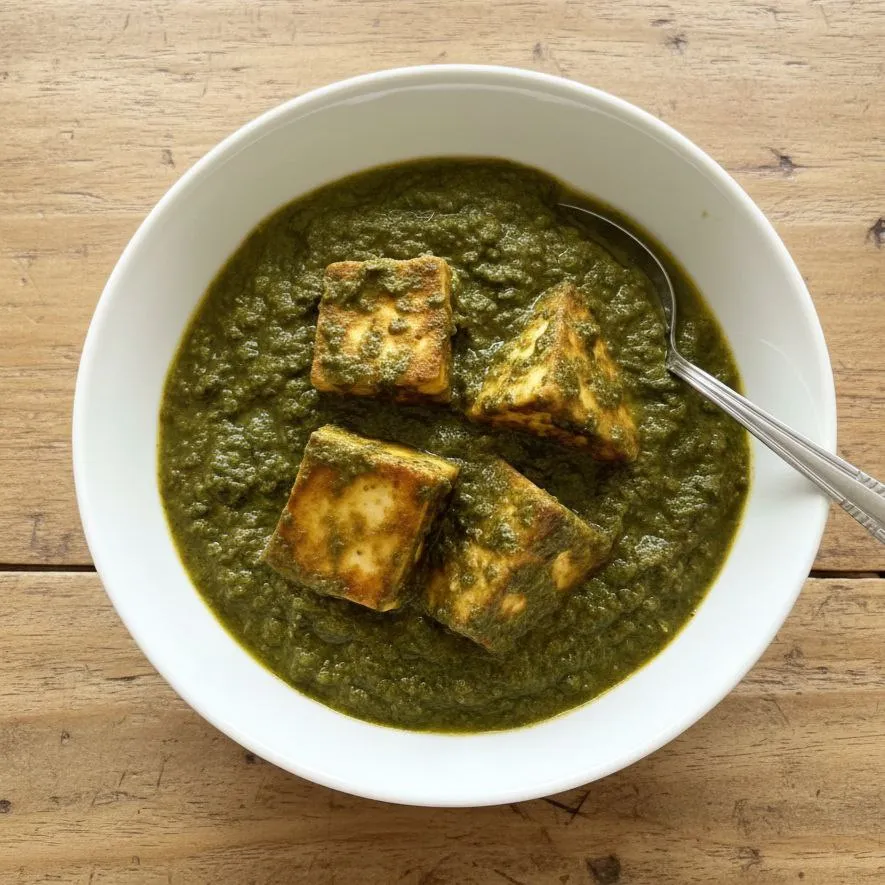
A Sweet Taste of Nostalgia – The Story Behind Palak Paneer
Palak Paneer is one of those dishes that instantly feels like home food, even if you didn’t grow up eating it. It’s deeply rooted in North Indian cooking and is often served during family dinners, festivals, and special weekends. The combination of spinach and paneer may sound simple, but when cooked with the right spices and care, it becomes something incredibly satisfying and layered in flavor.
The first time I made Palak Paneer from scratch, I was honestly surprised at how vibrant and fresh it tasted compared to restaurant versions. You’ll notice the aroma the moment cumin seeds hit hot oil—it’s warm, nutty, and comforting. Then the garlic and ginger join in, and suddenly your kitchen smells like an Indian spice shop.
What I love most about this dish is how it balances health and indulgence. It’s green and nourishing, yet creamy and rich. Some days, when I want something cozy but not heavy, this is exactly what I reach for. It feels like a bowl of comfort with a bright, fresh personality.
What You’ll Need to Make This Classic Indian Curry
This recipe uses everyday ingredients, but together they create a curry that tastes complex and deeply satisfying. Try to use fresh spinach for the brightest color and flavor, and good-quality paneer for the softest texture.
Ingredients:
- 400 g paneer, cubed
- 4 cups fresh spinach (palak)
- 1 medium onion, finely chopped
- 2 tomatoes, chopped or pureed
- 3 cloves garlic, minced
- 1 inch ginger, grated
- 2 tbsp oil or ghee
- 1 green chili (optional)
- ½ cup cream or milk (optional, for creaminess)
- 1 tsp cumin seeds
- 1 tsp garam masala
- ½ tsp turmeric
- 1 tsp coriander powder
- ½ tsp chili powder
- Salt to taste
- 2–3 tbsp water as needed
Each ingredient plays a role. Spinach brings freshness, tomatoes add slight acidity, spices give warmth, and paneer adds richness and protein.
Preparing Your Spinach for Perfect Flavor and Color
Start by washing the spinach thoroughly. Spinach tends to hold onto grit, so rinse it in a large bowl of water and lift it out rather than pouring it through a strainer.
Bring a pot of water to a boil and add the spinach for just 2 to 3 minutes. You’ll see the leaves collapse and turn a vivid green almost instantly. Do not overcook them—this is one of the biggest mistakes people make. Overcooked spinach can become dull in color and slightly bitter.
Immediately transfer the spinach to cold water or ice water. This stops the cooking process and locks in the bright green color. Once cooled, drain and blend the spinach into a smooth puree. At this stage, it looks almost like green velvet and smells fresh and earthy. I always pause for a second here because it already feels like the soul of the dish is ready.
Crafting the Base – The Secret to a Fragrant Curry
Heat oil or ghee in a wide pan over medium heat. Add the cumin seeds and let them splutter. This step releases their aroma and infuses the oil with flavor.
Add the finely chopped onion and cook until soft and lightly golden. This takes patience—rushing this step can leave the curry tasting raw. Once the onion is tender, add the minced garlic, grated ginger, and green chili if using.
The mixture should sizzle gently, not aggressively. You’ll notice the smell shift from sharp to warm and inviting. This onion-garlic-ginger base is where much of the depth of flavor comes from, so let it cook slowly until everything blends together smoothly.
Simmer, Blend, and Season – How to Build Palak Paneer Like a Pro
Now stir in the chopped or pureed tomatoes along with turmeric, coriander powder, chili powder, garam masala, and salt. Cook this mixture until it thickens and you see oil separating slightly from the edges. This is an important sign that the spices are cooked properly and no longer taste raw.
Add the spinach puree and a few tablespoons of water if the mixture feels too thick. Let it simmer gently for 5 to 7 minutes. During this time, the flavors come together and the spinach loses any grassy taste. Stir occasionally and taste as you go—you may want to adjust salt or spice levels based on your preference.
If you like, lightly fry the paneer cubes in a separate pan with a little oil until just golden on the edges. This step is optional but adds a slightly firmer texture and prevents paneer from breaking apart in the curry. Add the paneer to the spinach gravy and stir gently.
Finish by adding cream or milk if desired. Let everything simmer together for another 2 to 3 minutes. The sauce should be smooth, thick, and velvety, clinging softly to each cube of paneer.
Tips for Even Cooking and Preventing Bitterness
- Do not boil the spinach for too long; blanching keeps it sweet and green.
- Always cool spinach quickly after blanching to preserve color.
- Keep the heat moderate when cooking spices so they don’t burn.
- Use ripe tomatoes to avoid sourness.
- If your spinach tastes bitter, a small splash of cream or a pinch of sugar can balance it out.
These small details are what separate a good Palak Paneer from a truly memorable one.
Coating and Finishing – Achieving That Signature Creamy Texture
Palak Paneer should be creamy but not heavy. If the curry feels too thick, add a little warm water or milk. If it’s too thin, let it simmer uncovered for a few minutes.
Stir in the cream at the very end so it doesn’t split. The color will soften from bright green to a gentle, velvety shade. The smell at this point is comforting and rich, with hints of spice and dairy blending together beautifully.
Serving and Storing Your Homemade Palak Paneer
Serve Palak Paneer hot with naan, roti, or steamed basmati rice. Fresh flatbread is especially wonderful for scooping up the sauce.
To store, let the curry cool completely and place it in an airtight container. It keeps well in the refrigerator for up to three days. When reheating, do it gently on the stove with a splash of water or milk to restore its smooth texture.
Creative Ways to Use Palak Paneer in Meals and Lunchboxes
Palak Paneer can be more than just a dinner curry. Spoon it into wraps or stuffed flatbreads for lunch. Use it as a filling for savory pancakes or crepes. Mix leftovers with rice for a quick spinach-paneer pulao.
It also works surprisingly well as a topping for baked potatoes or even as a thick sauce for pasta when you want something different.
Variations to Try – From Vegan Spins to Spicier Versions
For a vegan version, replace paneer with firm tofu and use coconut milk or cashew cream instead of dairy cream.
If you enjoy bold flavors, add extra green chilies or a pinch of cayenne. You can also blend a few soaked cashews with the spinach for an ultra-rich texture. Some people like adding a squeeze of lemon juice or a pinch of dried fenugreek leaves at the end for a restaurant-style finish.
Nutrition Snapshot – Wholesome Benefits of Spinach and Paneer
Palak Paneer is packed with nutrients. Spinach provides iron, fiber, and vitamins, while paneer adds protein and calcium. It’s filling without being greasy and works well for balanced meals.
Because it’s cooked gently and uses fresh ingredients, it feels nourishing and comforting at the same time—a rare combination for a creamy dish.
Sweet Questions Answered – Your Palak Paneer FAQ Corner
Can I use frozen spinach instead of fresh?
Yes, thaw it and squeeze out excess water before blending. Fresh spinach gives brighter color, but frozen works well too.
Why does my Palak Paneer turn dark?
Overcooking spinach or reheating too aggressively can dull the color. Gentle heat helps keep it green.
Do I have to fry paneer first?
No, you can add it directly to the curry if you like it soft and delicate. Frying only adds texture.
Can I make Palak Paneer ahead of time?
Yes, and it often tastes even better the next day as the flavors develop.
How can I make it restaurant-style?
Add a little cream at the end and finish with a pinch of garam masala or dried fenugreek leaves for extra aroma.
Palak Paneer is one of those dishes that grows more comforting each time you make it. With its rich green color, soft paneer cubes, and warm spices, it turns simple ingredients into something truly special for everyday cooking.