A Sweet Taste of Nostalgia – The Story Behind Karpatka
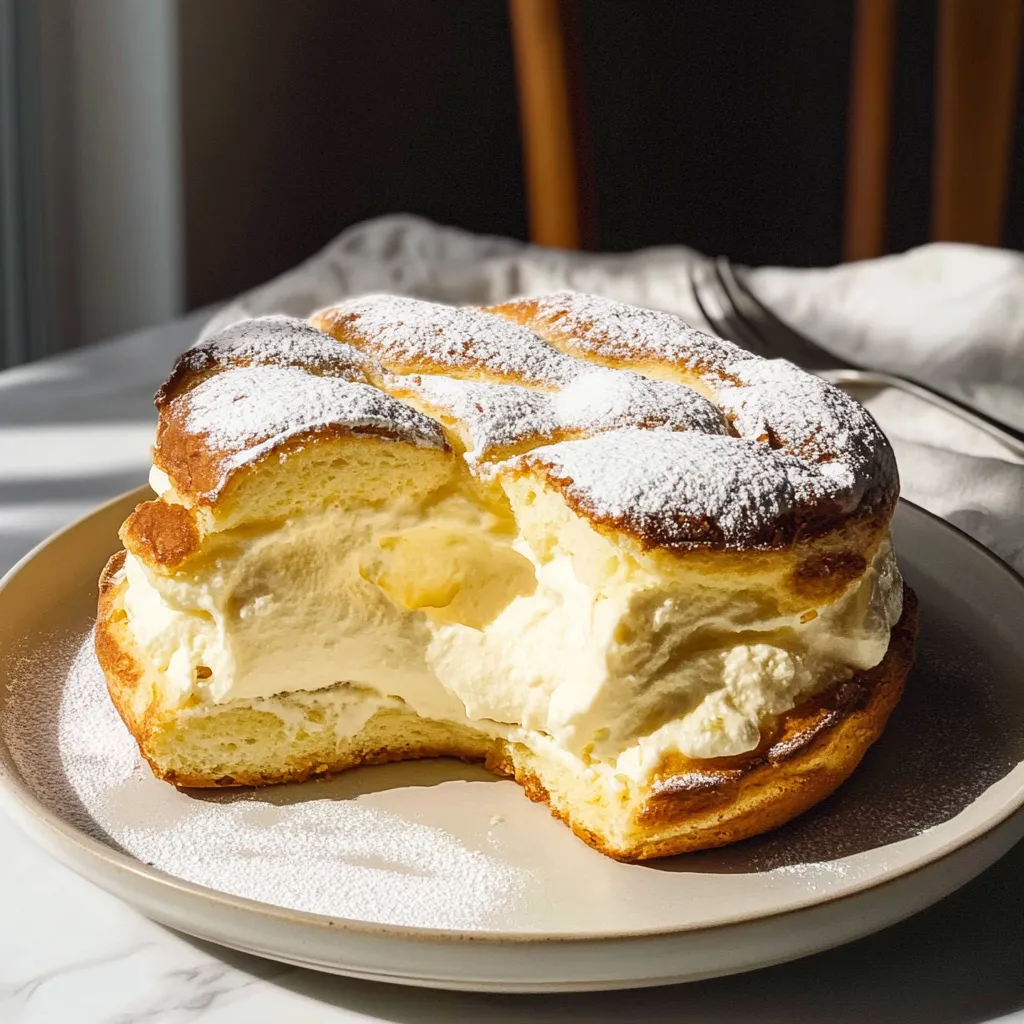
Karpatka is one of those cakes that instantly transports me to my childhood kitchen. Its light, airy choux pastry paired with a rich, velvety cream is both comforting and indulgent. The name comes from the Carpathian Mountains, and when you see the cake’s uneven, rustic surface, you can understand why—it looks like tiny mountain peaks dusted with snow. I love how this cake manages to feel homemade and elegant at the same time. Baking Karpatka is a bit of a process, but every step is satisfying, from watching the dough puff up in the oven to whisking the cream until silky smooth.
What You’ll Need to Make This Classic Polish Dessert
This recipe requires two main components: the choux pastry dough and the creamy filling. Precise measurements and room-temperature eggs and butter make a big difference in the final texture.
Ingredients:
For the dough:
- 75 ml whole milk
- 75 ml water
- 75 g unsalted butter
- 1 tablespoon sugar
- 1 teaspoon salt
- ½ teaspoon vanilla extract
- 100 g all-purpose flour, sifted
- 170 g eggs (approximately 3 large eggs), at room temperature
For the cream:
- 600 ml whole milk
- 160 g granulated sugar
- ½ teaspoon salt
- 50 g cornstarch, sifted
- 1 teaspoon vanilla extract
- 4 egg yolks, at room temperature
- 200 g unsalted butter, at room temperature
- 15 g granulated sugar to beat with the butter
- Powdered sugar for decoration
Preparing Your Dough for Perfect Puffiness
Preheat your oven to 200C/390F. Line the bottoms of two 23cm/9-inch springform pans with parchment paper and grease the sides. In a saucepan, combine water, milk, butter, sugar, salt, and vanilla extract. Heat over medium until the mixture starts simmering. Remove from heat, add sifted flour, and stir until no dry flour remains. Return to low heat and cook for 2 minutes, stirring constantly, until the dough forms a ball and leaves a slight white residue on the pan bottom. Transfer the dough to a large mixing bowl and let it cool for 10 minutes until warm but not hot.
Gradually add the eggs, mixing thoroughly after each addition. Scrape the bowl and mix once more to ensure a smooth, glossy dough. Divide it into two portions and spread each unevenly into the prepared pans—the uneven surface helps create the cake’s signature mountainous look.
Crafting the Cream – The Heart of Karpatka
While the dough bakes and cools, start the cream. In a saucepan, heat 600 ml milk with half of the sugar and salt until it simmers. In a separate bowl, combine the remaining sugar with cornstarch, then add the egg yolks and vanilla, whisking until smooth. Temper this egg mixture by gradually adding half of the hot milk, then return it all to the saucepan with the remaining milk. Cook over low heat, whisking constantly, until the mixture thickens to a pudding-like consistency, about 5–7 minutes. Cook 2 more minutes for good measure. Pour the cream into a shallow dish, cover with plastic wrap touching the surface to prevent a skin, and let cool to room temperature.
Simmer, Whisk, and Fold – Perfecting the Pastry Cream
Beat the butter with 15 g sugar until pale and fluffy. Whisk the cooled pastry cream until smooth, then gradually add it to the butter, mixing until fully incorporated. Scrape the bowl and whisk briefly again to make sure everything is perfectly combined. The cream should be silky, rich, and hold its shape when spread. I love how this part makes the whole kitchen smell sweet and buttery—it’s a sign you’re doing something right.
Tips for Even Baking and a Beautiful Cake
- Make sure your eggs are at room temperature; cold eggs can prevent the dough from rising properly.
- Don’t overmix the dough when adding eggs; just combine until smooth.
- Bake the layers until golden brown but not too dark—they continue to set as they cool.
- Let the dough layers cool completely before adding cream to avoid melting the filling.
Assembling Karpatka – Layering Light and Creamy Perfection
Place one baked dough layer on a serving plate. Spread the cream evenly over the surface, then top with the second dough layer. Press gently to secure, but don’t squash the fluffy texture. Refrigerate for 2–3 hours to let the cream set. Before serving, remove from the springform pan and dust generously with powdered sugar. The cake looks rustic, with peaks and valleys, and slicing through it reveals the luxurious cream sandwiched inside.
Serving and Storing Your Homemade Karpatka
Karpatka is best served chilled. The contrast between the slightly crisp top and the creamy interior is delightful. Store leftovers in the refrigerator in an airtight container for up to 3 days. The texture is perfect on the first day, slightly softer on the second, but still delicious. I sometimes make mini versions for individual servings—they’re just as impressive.
Creative Ways to Present Karpatka
For a festive touch, sprinkle the top with cocoa powder or decorate with chocolate shavings. Fresh berries on the side complement the creamy filling beautifully. You can also cut the cake into small squares for a tea party or dessert platter. I love adding a small dollop of whipped cream and a raspberry on top for a simple but elegant presentation.
Variations to Try – Flavored Cream and Toppings
While traditional Karpatka uses vanilla pastry cream, you can experiment with chocolate, coffee, or caramel-flavored creams. Adding a teaspoon of citrus zest to the cream gives it a bright twist, and layering with fruit preserves creates a delightful surprise. You can even drizzle melted chocolate over the top for a more indulgent treat.
Nutrition Snapshot – Indulgent but Shareable
Karpatka is rich and creamy, a treat to enjoy in moderation. The choux pastry is light, which balances the dense, buttery cream. Sharing it with friends or family is part of the experience—it’s meant to be savored slowly, one slice at a time.
Sweet Questions Answered – Your Karpatka FAQ Corner
Can I make the dough or cream ahead of time?
Yes, you can bake the dough a day ahead and keep it in an airtight container. The cream can also be prepared in advance and refrigerated.
Why is my dough not rising properly?
It could be due to cold eggs or overcooking the initial dough. Make sure to add eggs gradually and mix until just incorporated.
Can I freeze Karpatka?
It’s best enjoyed fresh, but you can freeze the baked layers without cream for up to 2 months. Thaw completely before assembling.
How do I prevent the cream from being too runny?
Cook the cream until thickened, and always let it cool before folding in the butter. Room-temperature butter blends smoothly without breaking the consistency.
Can I decorate it differently?
Absolutely! Try cocoa powder, chocolate shavings, or fresh berries for variety. The cake’s rustic charm allows for creativity in presentation.
Making Karpatka is a little labor of love, but the payoff is extraordinary—a light, airy pastry layered with silky cream that delights every time. Once you see the final cake, dusted with powdered sugar, you’ll understand why it’s a cherished classic in Polish homes.