
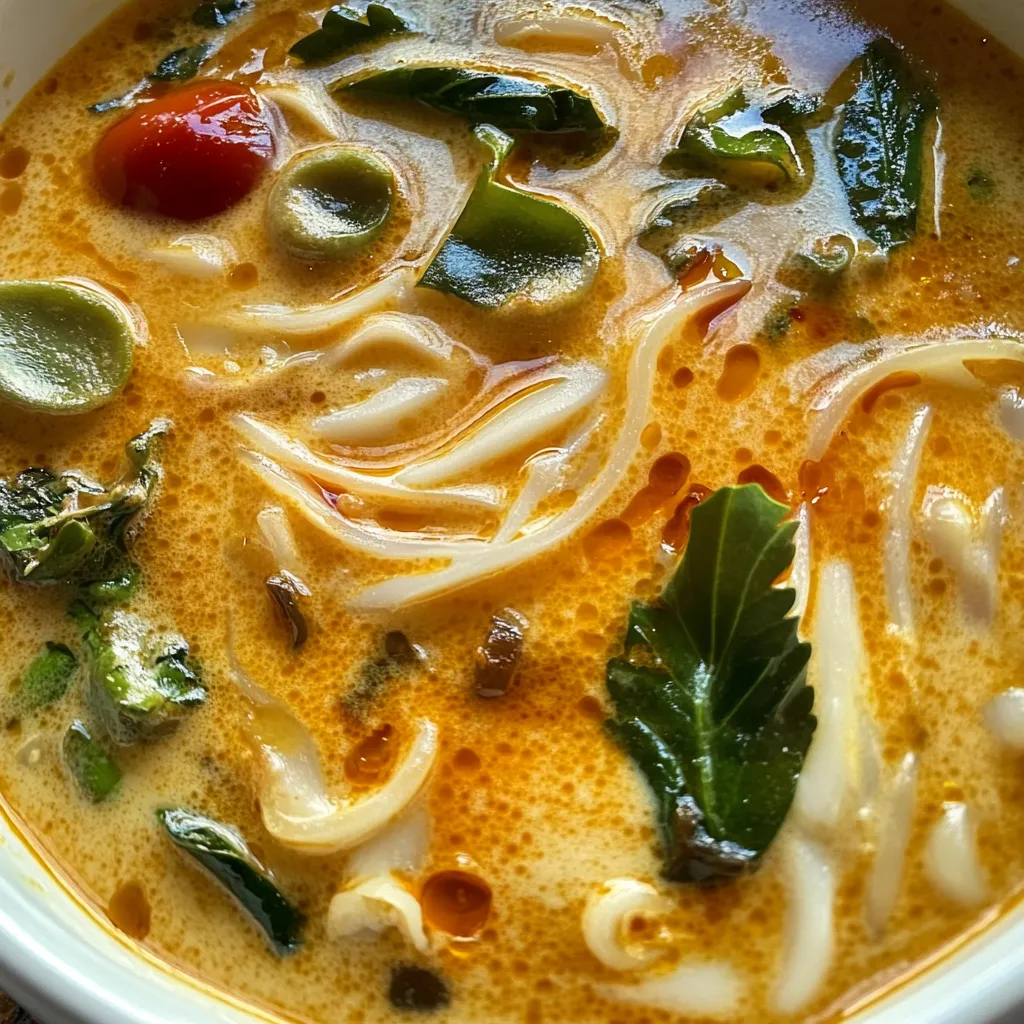
A Sweet Taste of Nostalgia – The Story Behind Coconut Curry Soup
Coconut curry soup is one of those recipes that instantly makes a kitchen feel warm and inviting. The aroma of coconut milk mingling with ginger, garlic, and red curry paste hits you as soon as it simmers, filling the air with a rich, exotic scent. I love making this soup on chilly evenings because it’s comforting, satisfying, and a little bit adventurous all at once. It reminds me of cozy nights when I first started experimenting with Asian flavors, learning to balance spice, sweetness, and acidity in a single bowl. Every time I make it, I’m struck by how simple ingredients come together to create something deeply flavorful and nourishing.
What You’ll Need to Make These Sparkling Citrus Treats
This soup is all about layers of flavor built from fresh, everyday ingredients. Here’s what you’ll need:
Ingredients:
- 1 tbsp oil
- 1 onion, sliced
- 2 cloves garlic, minced
- 1 tbsp ginger, grated
- 1–2 tbsp red curry paste
- 4 cups vegetable or chicken broth
- 1 can (400 ml) coconut milk
- 200 g rice noodles
- 1 cup mushrooms (optional)
- 1 cup spinach or bok choy
- 1 chili, sliced (optional)
- 2 tbsp soy sauce or fish sauce
- 1 tsp sugar
- Juice of ½ lime
- Boiled eggs, for serving
- Spring onions, for garnish
Simple ingredients, but each plays an important role in building a rich, aromatic, and comforting soup.
Preparing Your Aromatics for Maximum Flavor
Start by heating the oil in a large pot over medium heat. Once shimmering, add the sliced onion and sauté until soft and translucent, about 5–6 minutes. You’ll notice the sweetness of the onion developing, which forms the base of the soup.
Add the garlic and grated ginger and cook for another minute. The aroma will hit you immediately—warm, slightly spicy, and utterly inviting. These aromatics set the stage for the curry paste that comes next.
Crafting the Coconut Curry Base
Stir in 1–2 tablespoons of red curry paste depending on your heat preference. Cook for 1–2 minutes until fragrant, stirring constantly to release the flavors. This step is critical—cooking the paste in oil helps mellow any raw bite and creates depth in the final soup.
Pour in the vegetable or chicken broth and the coconut milk, stirring gently to combine. Bring the mixture to a gentle boil. You’ll notice the color transform into a rich golden-orange hue, signaling that the soup is beginning to take shape.
Simmer, Soak, and Layer Flavors – How to Build the Soup Perfectly
Add the rice noodles and mushrooms, if using, and cook until the noodles are tender but still slightly firm. I like to test the noodles a minute or two before the suggested cooking time—they finish cooking in the hot soup once it’s off the heat.
Next, stir in the spinach or bok choy, soy sauce or fish sauce, sugar, and lime juice. The greens wilt quickly, adding freshness and color, while the soy or fish sauce deepens the umami and the lime juice balances the richness of the coconut milk.
Taste the soup and adjust seasoning if needed. Sometimes a little extra soy sauce or a pinch of sugar can elevate it to perfection.
Tips for Even Cooking and Preventing Overcooked Noodles
- Cook noodles separately if you prefer. Adding them directly can make them mushy if the soup sits for a while.
- Simmer gently. Boiling too hard can cause the coconut milk to separate.
- Add greens at the end. This keeps them vibrant and tender, not overcooked.
- Adjust spice gradually. Red curry paste can vary in heat, so taste as you go.
These simple tricks help you achieve a perfectly balanced, flavorful bowl every time.
Coating and Drying – Achieving That Signature Crystallized Crunch
Not applicable in this soup, but the principle of layering flavors still applies. Each step, from sautéing aromatics to adding greens last, ensures textures and flavors are preserved beautifully.
Serving and Storing Your Homemade Coconut Curry Soup
Serve the soup hot, topped with halved boiled eggs and a sprinkling of chopped spring onions. The eggs add a creamy richness, while the onions provide a fresh, crisp contrast. I love the way the golden broth glistens and the noodles nestle underneath, ready to be slurped up.
For storage, cool the soup to room temperature and keep it in an airtight container in the refrigerator for up to three days. Reheat gently on the stove, adding a splash of broth if it has thickened. You can also freeze it, but I prefer making a fresh batch for optimal texture and flavor.
Creative Ways to Use Coconut Curry Soup in Meals and Gifts
This soup is versatile. You can make a heartier version by adding tofu, shredded chicken, or shrimp. For a lighter version, use zucchini noodles or extra greens instead of rice noodles. It also freezes beautifully for meal prep—portion it into single-serve containers for an easy, comforting lunch or dinner.
Variations to Try – From Red to Green Curry Twists
Experiment with different curry pastes for new flavor profiles. Green curry paste adds a fresh, herbaceous kick, while yellow curry paste creates a milder, slightly sweet soup. You can also infuse the broth with lemongrass or kaffir lime leaves for an aromatic twist that takes the soup to another level.
Nutrition Snapshot – Sweet Facts About This Classic Treat
Coconut curry soup is rich in flavor but surprisingly light and nourishing. It offers healthy fats from coconut milk, vitamins from leafy greens, and energy from rice noodles. Protein from eggs or added tofu makes it more filling, creating a well-rounded meal in a single bowl. It’s comfort food that’s wholesome and satisfying.
Sweet Questions Answered – Your Coconut Curry Soup FAQ Corner
Can I make this soup vegan?
Yes, simply use vegetable broth and soy sauce instead of fish sauce, and skip the eggs or use tofu.
Can I use different noodles?
Absolutely. Rice noodles, udon, or even ramen work well—just adjust cooking times.
How spicy is it?
The spice depends on the curry paste. Start with 1 tablespoon and add more to taste.
Can I prepare it ahead of time?
Yes, you can make the broth a day ahead and add noodles and greens just before serving to keep textures fresh.
Does it freeze well?
The soup base freezes beautifully, but I recommend adding noodles and greens fresh when reheating for the best texture.
Making Coconut Curry Soup is one of those simple pleasures that rewards patience with a bowl full of complex flavors. Every time I serve it, the combination of creamy coconut, spicy curry, and bright lime juice brings warmth and satisfaction that never fails.