A Classic Street-Style Favorite with Deep Cantonese Roots
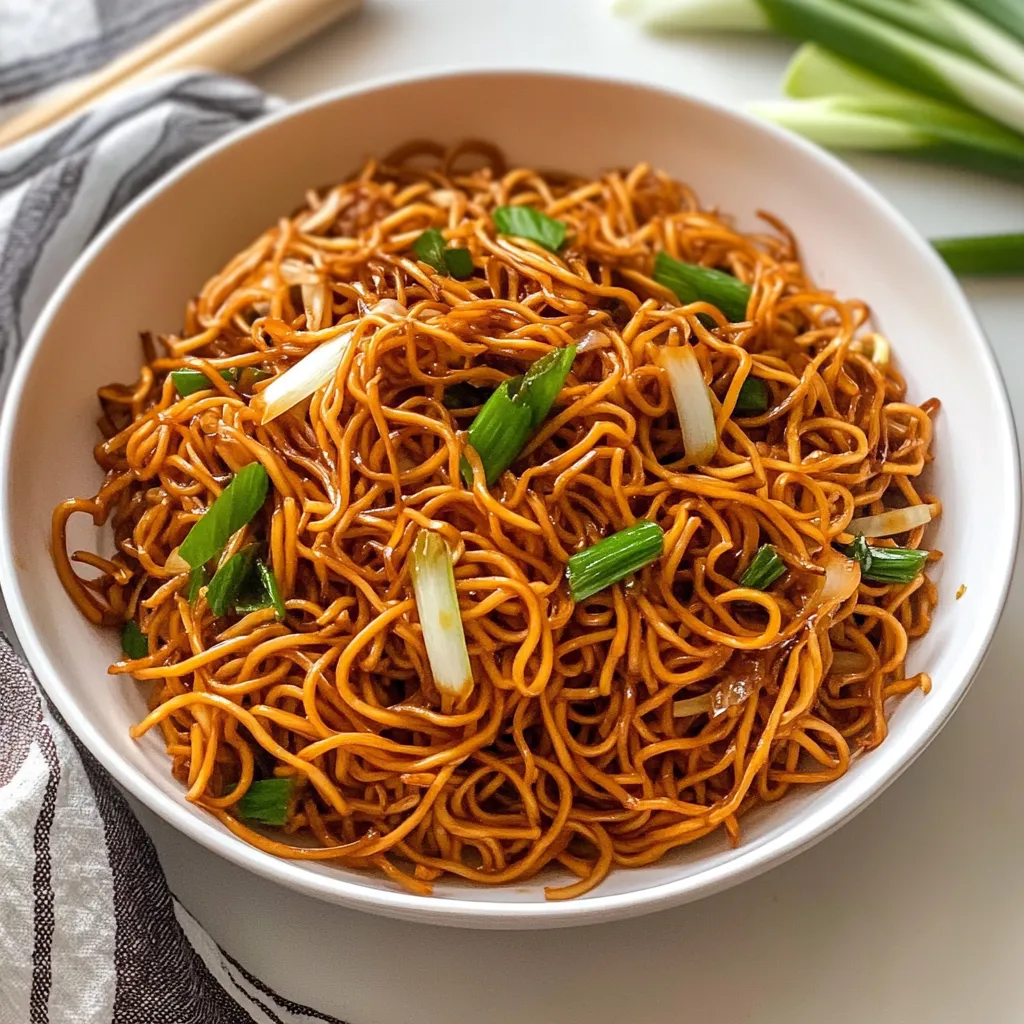
Cantonese chow mein is one of those dishes that looks simple but delivers incredible texture and flavor when done right. It’s the kind of noodle dish you’ll find in Hong Kong cafés and traditional Cantonese restaurants, where the noodles are pan-fried until golden and crisp, then lightly tossed with vegetables and a savory sauce.
What I love most about this version is the contrast. You get crispy noodles on the outside, tender strands underneath, and just enough sauce to coat everything without turning it soggy. The smell alone—hot oil, soy sauce, and toasted noodles—will instantly make you hungry. This is comfort food with technique, and once you nail it, you’ll want to make it again and again.
What You’ll Need to Make Authentic Cantonese Chow Mein
This recipe relies on a short list of ingredients, but each one plays an important role. Using fresh Hong Kong–style chow mein noodles really makes a difference here.
Ingredients:
- 12 oz chow mein egg noodles, thin fresh Hong Kong-style
- ½ small yellow onion, thinly sliced
- 5 stalks green onions, cut into 2-inch pieces, whites and greens separated
- 2 cups bean sprouts
- 3 tablespoons corn oil or other neutral oil
- 1 teaspoon sesame oil
Stir Fry Sauce:
- 2 tablespoons dark soy sauce
- 1 tablespoon regular soy sauce
- 1 tablespoon oyster sauce
- ½ teaspoon fish sauce
- 1 tablespoon granulated sugar
- 1 tablespoon water
Preparing the Noodles the Right Way
Fresh chow mein noodles don’t need to be boiled like dried pasta. Instead, place them in a heatproof bowl and pour boiling water over them just until they loosen and soften. This usually takes a minute or two.
Drain them well and gently separate the strands with your hands or chopsticks. You want them pliable but not mushy. If they’re too soft, they won’t crisp properly later, and that crispy base is what makes this dish special.
Mixing the Sauce for Balanced Umami
In a small bowl, combine the dark soy sauce, regular soy sauce, oyster sauce, fish sauce, sugar, and water. Stir until the sugar fully dissolves.
This sauce is all about balance. Dark soy gives color and depth, regular soy adds saltiness, oyster sauce brings richness, and fish sauce quietly boosts the umami without standing out. I always give it a quick taste—savory, slightly sweet, and deeply aromatic is what you’re aiming for.
Building Flavor in the Wok
Heat one tablespoon of oil in a wok over medium-high heat. Add the sliced onion and the white parts of the green onions. Stir-fry briefly, just until fragrant and slightly softened.
This step builds the flavor base of the dish. You’ll notice the aroma immediately—it’s subtle but essential. Remove this mixture from the wok and set it aside so it doesn’t overcook.
Pan-Frying the Noodles for Maximum Crispiness
Add another tablespoon of oil to the wok and spread the drained noodles into a thin, even layer. Let them sit undisturbed for a few minutes. This part takes patience, but it’s worth it. You should hear a gentle sizzling as the noodles crisp up.
Once the bottom is golden and crispy, carefully flip the noodles. Drizzle the remaining oil around the edges of the wok and continue cooking until the other side develops the same crunch. Some strands may break—that’s normal and part of the charm.
Bringing Everything Together
Return the onion mixture to the wok along with the green onion greens and bean sprouts. Pour the sauce evenly over the noodles.
Using tongs or chopsticks, gently toss everything together. You don’t want to break up the crispy noodles too much—just enough mixing to coat them with sauce and lightly wilt the vegetables. The bean sprouts should stay crisp and fresh, adding a nice contrast.
The Final Touch Before Serving
Remove the wok from the heat and drizzle the sesame oil over the noodles. Give it one last gentle toss.
That final hint of sesame oil ties everything together with a nutty aroma that feels unmistakably Cantonese. Serve immediately while the noodles are still crisp and hot.
Serving and Storage Tips
Cantonese chow mein is best eaten right away. The texture is at its peak when the noodles are freshly crisped and the vegetables still have bite. I like serving it on a large platter so everyone can dig in while it’s hot.
If you do have leftovers, store them in an airtight container in the fridge for up to one day. Reheat in a hot pan rather than the microwave to bring back some of the crispness, though it won’t be quite the same as fresh.
Easy Variations and Add-Ins
This dish is a great base for proteins. Add sliced chicken, shrimp, or char siu pork—just cook them first and set aside before frying the noodles. You can also toss in mushrooms or thinly sliced cabbage for extra texture.
If you like a bit of heat, a small pinch of white pepper or a drizzle of chili oil works beautifully without overpowering the dish.
Nutrition Snapshot
Cantonese chow mein is a satisfying, balanced meal when enjoyed in moderation. It provides carbohydrates for energy, vegetables for crunch and freshness, and healthy fats when cooked with restraint. Using fresh ingredients and controlling the oil makes it far lighter than takeout versions.
Common Questions About Cantonese Chow Mein
Can I use dried chow mein noodles?
Yes, but the texture will be different. Fresh noodles crisp better and have a more authentic bite.
Why aren’t my noodles crispy?
The pan may not be hot enough, or the noodles may be too wet. Make sure they’re well drained and spread out in the wok.
Is dark soy sauce necessary?
It’s highly recommended. Dark soy adds color and depth that regular soy sauce can’t replicate.
Can I make this vegetarian?
Absolutely. Omit the fish sauce and oyster sauce and replace them with a vegetarian stir-fry sauce or mushroom-based alternative.
Cantonese chow mein is one of those dishes that rewards attention and care. Once you hear that sizzle and see those noodles turn golden, you’ll know you’re doing it right—and you’ll taste the difference in every bite.