
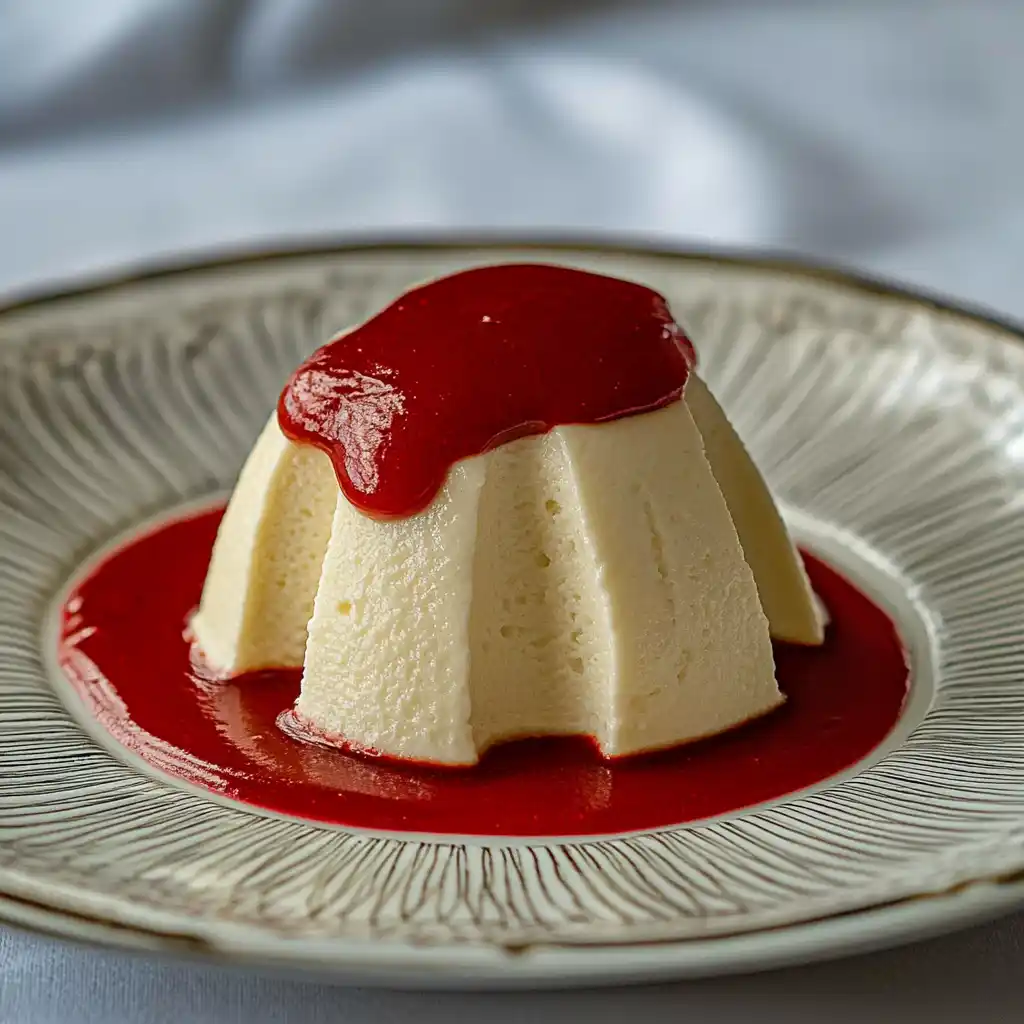
Why Bavarian Cream (Crème Bavarois) Is a Timeless Favorite
Bavarian Cream — or Crème Bavarois — is one of those desserts that feels effortlessly luxurious yet comfortingly simple. It’s smooth, creamy, and light, sitting somewhere between a mousse and a custard. Every spoonful melts delicately on your tongue, releasing the subtle aroma of vanilla and the gentle richness of cream.
What I love about making Bavarian Cream is how it transforms humble ingredients — milk, eggs, sugar, and cream — into something that looks and tastes like it came straight from a French patisserie. It’s perfect for dinner parties, layered desserts, or served simply with a drizzle of fruit coulis. And once you make it from scratch, you’ll realize how rewarding and versatile this dessert truly is.
Ingredients You’ll Need for Authentic Crème Bavarois
To make this recipe shine, focus on quality — use fresh eggs, real vanilla, and full-fat dairy. The texture and flavor depend entirely on the richness and freshness of what goes into it.
Ingredients:
- 5 teaspoons gelatin powder
- 75 g water (about 5 tablespoons)
- 480 mL full-fat milk or 2% milk (2 cups)
- 4 large egg yolks
- 100 g white sugar (½ cup)
- ¼ teaspoon sea salt
- 1 tablespoon vanilla extract or vanilla bean paste
- 50 g unsalted butter (optional)
- 360 mL chilled heavy cream (1½ cups)
You’ll notice that this recipe uses both milk and cream — the milk gives body to the custard while the whipped cream adds airiness, creating that signature light-yet-rich consistency.
Preparing the Gelatin – The Foundation of the Perfect Set
Start by blooming the gelatin. This step might seem small, but it makes all the difference. Sprinkle the gelatin over 75 g of cold water and let it sit for about five minutes. It will swell and absorb the water, becoming soft and grainy. This ensures that when you add it to the warm custard, it dissolves smoothly without lumps.
I’ve found that rushing this step often leads to uneven texture, so give the gelatin time to fully bloom while you move on to heating the milk.
Heating the Milk and Tempering the Eggs
Pour the milk into a medium saucepan and heat it gently over medium heat until it’s steaming — not boiling. You’ll see wisps of steam rising, and that’s your cue. Stir occasionally to prevent scorching, especially if using full-fat milk.
In another bowl, whisk together the egg yolks, sugar, salt, and vanilla until the mixture turns pale and slightly thickened. This step introduces air and helps dissolve the sugar, which gives a smoother custard later on.
Now comes the careful part — tempering. Slowly pour the hot milk into the egg mixture in a thin, steady stream while whisking constantly. This gradual blending warms the eggs gently, preventing them from curdling.
Cooking the Custard to Silky Perfection
Once tempered, pour the mixture back into the saucepan and cook it over low heat. Use a rubber spatula or wooden spoon to stir constantly, scraping the bottom of the pan to prevent sticking.
You’re looking for the custard to thicken just enough to coat the back of the spoon. When you run your finger through the coating, it should leave a clean line. If you have a thermometer, the ideal temperature is around 82–85°C.
This stage takes patience — too little heat and the custard won’t thicken; too much and it can curdle. You’ll smell that wonderful aroma of warm vanilla and milk as it nears readiness.
Adding the Gelatin and Cooling the Custard
Remove the pan from heat and immediately whisk in the butter (if using) for extra richness, followed by the bloomed gelatin. Stir until the gelatin fully dissolves — it should disappear into the custard completely.
To ensure an ultra-smooth texture, strain the mixture through a fine sieve into a large clean bowl. This catches any bits of cooked egg or undissolved gelatin. Let it cool to room temperature, stirring occasionally so it doesn’t start to set around the edges.
Whipping and Folding the Cream – Creating the Airy Texture
Once your custard is cool but still fluid, it’s time to add the whipped cream. Whip the chilled heavy cream until soft peaks form — it should hold its shape but still look silky, not stiff.
Fold about a quarter of the whipped cream into the custard first to lighten the mixture, then gently fold in the rest. Use a spatula and slow, circular motions to keep the air in. The texture should be smooth, light, and slightly fluffy.
This folding stage is where Bavarian Cream gets its cloud-like quality. Take your time and don’t overmix; you want it airy, not dense.
Setting and Serving the Bavarian Cream
Lightly butter your molds or serving dishes — this helps with easy unmolding later. Pour the cream mixture into the molds, tap them gently to remove air bubbles, then cover with plastic wrap.
Refrigerate for several hours, or ideally overnight, until fully set. The next day, unmold by dipping the molds briefly in warm water or gently loosening the edges with a thin knife.
When you lift off the mold, the Bavarian Cream should hold its shape — glossy, pale, and elegant. It’s always such a satisfying moment.
How to Elevate Your Bavarian Cream Presentation
You can serve Bavarian Cream simply, or dress it up depending on the occasion. I love pairing it with fruit sauces — raspberry, strawberry, or passion fruit all add a lovely tart contrast to the creamy base.
For something richer, drizzle with chocolate or caramel sauce, or serve alongside a crunchy almond tuile for texture. You can even layer it with sponge cake or ladyfingers to create an elegant entremet or trifle-style dessert.
A few fresh berries and mint leaves on top make it picture-perfect without overcomplicating things.
Variations You’ll Want to Try Next
Once you’ve mastered the classic vanilla version, it’s fun to experiment. Try replacing part of the milk with coffee or fruit purée for a flavored variation. For a chocolate Bavarian Cream, whisk melted dark chocolate into the custard before folding in the whipped cream.
You can also infuse the milk with herbs or spices — think lavender, cinnamon, or cardamom — for a subtle twist. Each version has its own charm, but the base method remains the same.
Tips for Success from My Kitchen
- Always bloom the gelatin in cold water — never hot.
- Don’t rush cooling the custard before folding in the whipped cream. If it’s too warm, the cream will melt.
- Chill the bowl and beaters before whipping cream for better texture.
- Use high-quality vanilla bean paste for the best flavor and those beautiful specks.
- Plan ahead — Bavarian Cream needs at least 6 hours to set properly.
Frequently Asked Questions About Bavarian Cream
Can I make Bavarian Cream ahead of time?
Yes! It’s perfect for preparing in advance. Make it up to two days ahead and keep refrigerated until serving.
Can I use sheet gelatin instead of powdered?
Absolutely. Use about 3½ sheets of gelatin for this recipe, and soften them in cold water before adding.
Why did my cream not set properly?
Either the gelatin wasn’t fully dissolved or the custard was too hot when mixed with the cream. Both can affect the final texture.
Can I make it without gelatin?
You can substitute with agar-agar, but the texture will be firmer and less creamy.
How long does it last in the fridge?
Bavarian Cream keeps well for up to three days if covered and chilled.
Silky, airy, and delicately flavored, Bavarian Cream is one of those desserts that feels special every time you make it. From its smooth vanilla scent to that melt-in-your-mouth texture, it’s pure classic elegance in a spoonful.