
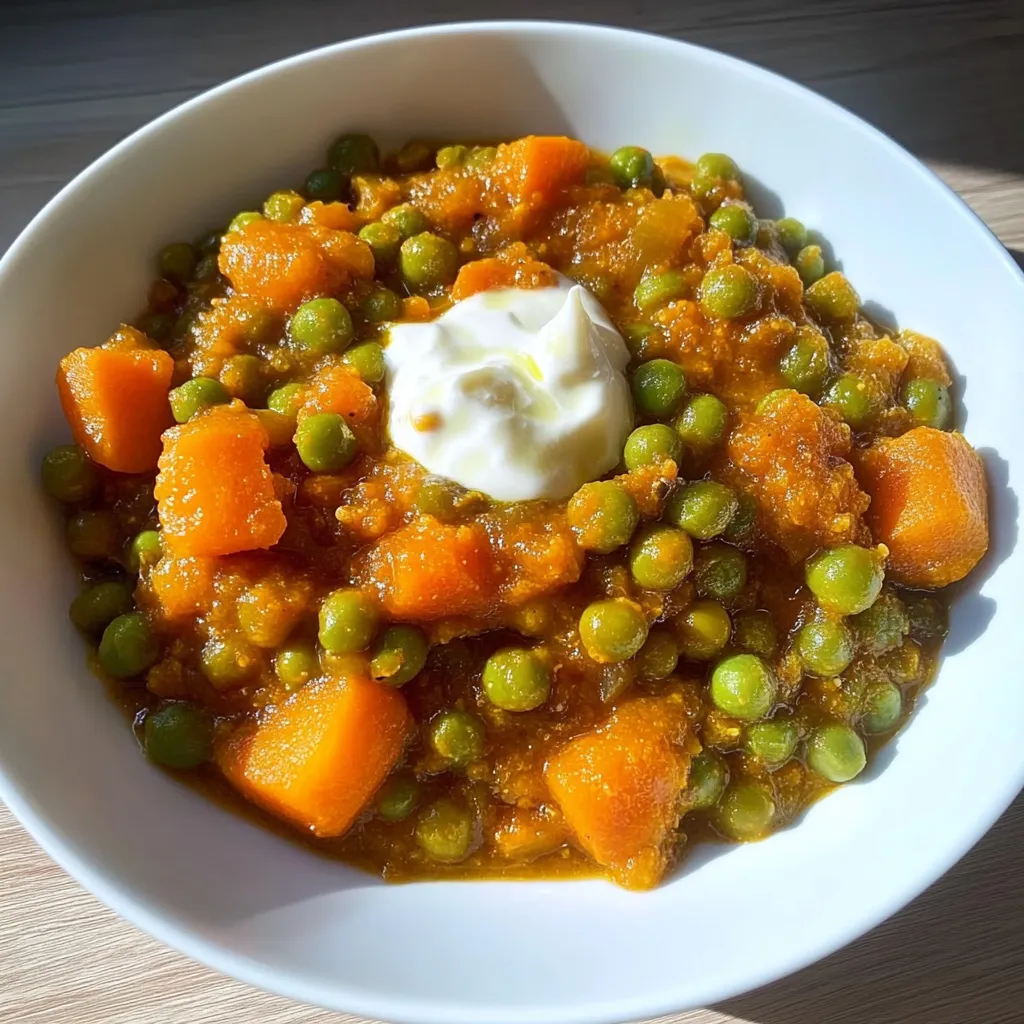
A Comforting Greek Classic Rooted in Home Cooking
Arakas Laderos is one of those dishes that quietly teaches you what Greek home cooking is all about. Simple vegetables, good olive oil, and time. No tricks. No rush. This is the kind of food that simmers gently while the kitchen fills with the smell of tomatoes and herbs, and you already know it’s going to be good.
I first fell in love with arakas laderos because of how honest it feels. It’s not flashy, but it’s deeply satisfying. Greeks often make this dish during warmer months, but honestly, I crave it year-round. It’s light, nourishing, and comforting in a way that feels very real. You’ll notice how the olive oil, tomatoes, and herbs come together into a silky sauce that coats every pea and carrot.
Ingredients You’ll Need for Authentic Arakas Laderos
This recipe relies on fresh, everyday ingredients. When there are so few components, each one really matters, especially the olive oil and tomatoes.
Ingredients:
- 800 grams fresh peas or 500 grams frozen peas
- 1/4 cup olive oil
- 1 onion, finely chopped
- 1 clove garlic, finely chopped
- 1–2 potatoes, cut into small cubes (optional)
- 3–4 medium carrots, peeled and shredded
- 4 ripe tomatoes, grated, or 500 grams tomato passata
- 2 cups water
- Salt, to taste
- Freshly ground black pepper, to taste
- 1/2 cup parsley, finely chopped
- 1/4 cup dill, finely chopped
Building Flavor the Greek Way: Olive Oil, Onion, and Garlic
Start by heating the olive oil in a wide pot over medium heat. Add the chopped onion and sauté gently until it becomes soft and translucent. Don’t rush this step. You want the onion sweet, not browned.
Add the garlic and stir for just a few seconds. You’ll smell it immediately—that warm, savory aroma is your cue to move on. Garlic burns quickly, so keep it gentle.
Cooking the Vegetables Until Tender and Sweet
Add the peas to the pot and stir them for a couple of minutes so they get coated in the olive oil. This helps them absorb flavor right from the start.
Next, add the shredded carrots and the diced potatoes if you’re using them. Season with salt and freshly ground black pepper. I like to season lightly here and adjust later once everything has simmered together.
Pour in the grated tomatoes or tomato passata along with the water. Give everything a good stir, then reduce the heat to low. Cover partially and let the dish simmer gently. Stir occasionally to make sure nothing sticks, and add a bit more water if the sauce reduces too quickly.
After about 30–40 minutes, the vegetables should be tender and the sauce slightly thickened. The peas will be soft but not mushy, and the carrots will have melted into the tomato sauce.
Fresh Herbs at the Finish: Parsley and Dill
Near the end of cooking, add the chopped parsley and dill. This is one of my favorite moments. The herbs brighten the whole dish and add that unmistakable Greek freshness. Stir gently and let them warm through for a minute or two before turning off the heat.
The sauce should be glossy, rich, and fragrant, with olive oil pooling lightly on top. That’s exactly how it’s meant to look.
Common Mistakes to Avoid When Making Arakas
One common mistake is cooking this dish too fast. Arakas laderos needs slow simmering so the flavors can fully develop. High heat can cause the sauce to reduce too quickly before the vegetables are tender.
Another issue is being too shy with olive oil. This is a ladero dish, meaning olive-oil-based, and that richness is essential to its character.
Finally, don’t skip the herbs or add them too early. Fresh parsley and dill should go in at the end so they keep their aroma and color.
Serving Suggestions and Storage Tips
Arakas laderos is traditionally served warm, but it’s just as good at room temperature. I love it with crusty bread to soak up the sauce, and it pairs beautifully with feta cheese on the side.
This dish also works well as part of a larger Greek spread with other vegetable dishes or grilled fish.
For storage, keep leftovers in an airtight container in the fridge for up to three days. Like many olive-oil-based dishes, it often tastes even better the next day once the flavors have settled.
Variations and Add-Ins You Can Try
Some people add zucchini for extra softness, while others swear by potatoes for a heartier version. You can also adjust the tomato quantity depending on how saucy you like it.
If you want a brighter finish, a squeeze of lemon juice just before serving can lift the flavors nicely. It’s not traditional everywhere, but it works beautifully.
Nutrition Notes for This Mediterranean Vegetable Dish
Arakas laderos is naturally plant-based, rich in fiber, and full of vitamins from the peas, carrots, and herbs. The olive oil provides healthy fats, making this dish filling without feeling heavy. It’s a great example of how Mediterranean food balances nourishment and comfort.
Arakas Laderos FAQ: Your Questions Answered
Can I use frozen peas?
Yes, frozen peas work very well and are commonly used. There’s no need to thaw them first.
Do I have to add potatoes?
No, potatoes are optional. They make the dish more filling, but it’s just as delicious without them.
Why is my sauce too watery?
Let the dish simmer uncovered for a few extra minutes to allow excess liquid to evaporate.
Can I freeze arakas laderos?
It can be frozen, but the texture of the peas may soften more after thawing. It’s best enjoyed fresh or refrigerated.
Is this dish served as a main or a side?
Both. In Greek cooking, vegetable dishes like this are often enjoyed as a main course with bread, especially during Lent.
Arakas laderos is proof that simple ingredients, treated with care, can create something truly comforting. Once you make it, you’ll understand why it has such a permanent place in Greek home kitchens.