
A Sweet Taste of Nostalgia – The Story Behind Risi e Bisi
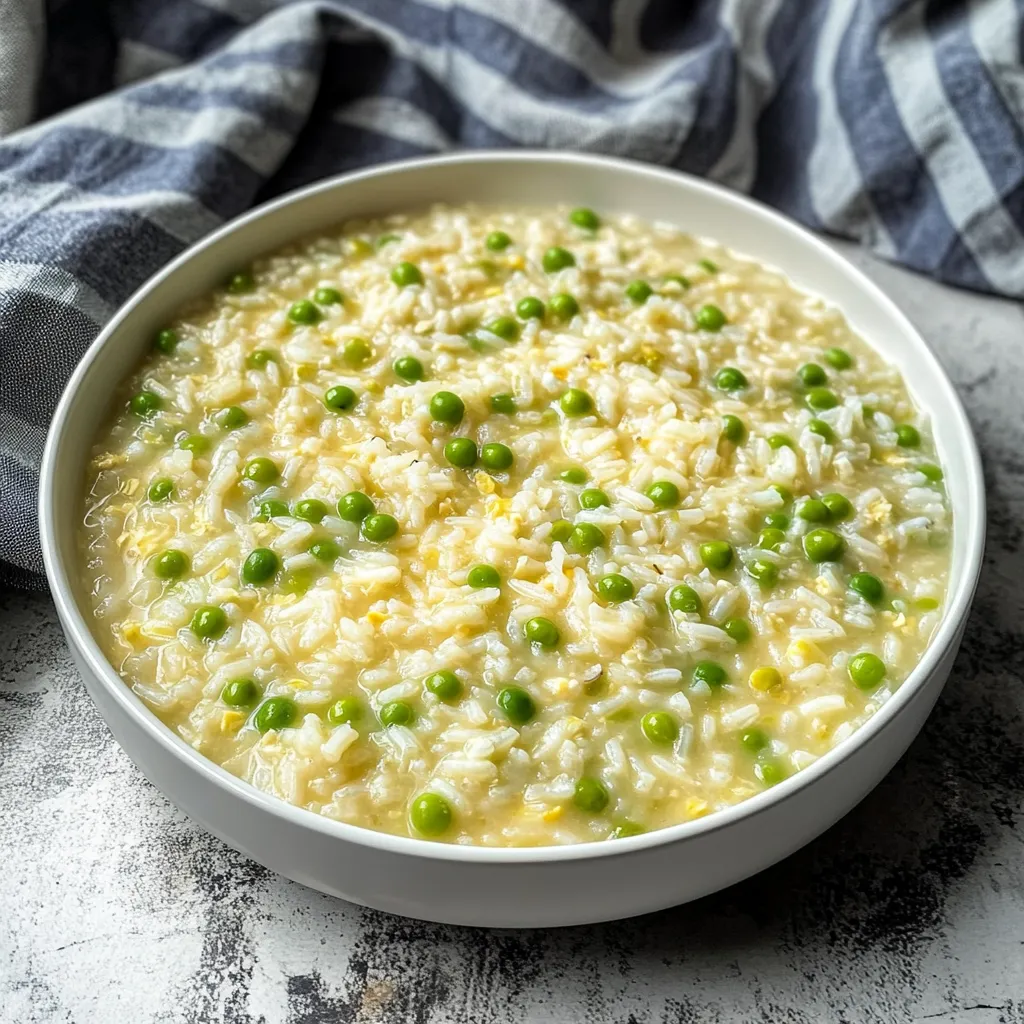
Risi e Bisi is one of those dishes that feels both humble and special at the same time. It comes from the Veneto region of Italy and sits somewhere between a soup and a risotto. Not too thick, not too brothy—just creamy enough to wrap every grain of rice in flavor.
The first time I made this dish, I was surprised by how something so simple could taste so rich and comforting. The aroma of onions and garlic cooking gently in olive oil instantly makes the kitchen feel warm and welcoming. It’s the kind of recipe you make when you want something soothing but still elegant enough to serve guests.
Traditionally, this dish celebrates spring peas, but I make it year-round with frozen peas and it still turns out beautifully. Every spoonful feels like a little piece of Italian home cooking.
What You’ll Need to Make This Venetian Classic
This recipe relies on everyday ingredients, but each one plays an important role. Good rice and good stock make all the difference, so choose the best you can find.
Ingredients:
- 2 tablespoons olive oil
- 1 medium shallot, diced
- 6 spring onions, white and light green parts only, diced
- 2 garlic cloves, finely chopped
- 250 g Carnaroli rice
- 1 litre vegetable stock
- 125 g fresh or frozen peas
- 30 g butter
- 50 g grana padano, grated
- Salt to taste
- Black pepper to taste
Preparing Your Ingredients for Perfect Flavor
Before you start cooking, take a few minutes to prepare everything. Dice the shallot finely so it melts into the base of the dish. Slice the spring onions and chop the garlic small enough that it releases its aroma without overpowering the peas.
Warm your vegetable stock in a separate pot. This small step makes a big difference because adding hot stock keeps the cooking temperature steady and helps the rice cook evenly. I’ve skipped this step before, and you can really feel the difference in texture.
Building the Base – The Secret to a Silky Finish
Heat the olive oil in a large pot over medium heat and add the diced shallot. Let it cook gently until soft and translucent, not browned. This is where the flavor begins.
Add the spring onions and garlic and stir for about a minute. You’ll notice the smell change from sharp to sweet and savory. Then add the Carnaroli rice and toast it for a short time, stirring constantly so every grain is coated in oil. This step gives the rice a slightly nutty aroma and helps it hold its shape during cooking.
Simmer, Stir, and Savor – How to Cook Risi e Bisi Like a Pro
Pour in one ladle of hot vegetable stock and bring it to a gentle boil. Add the peas right away and stir everything together.
Now add the remaining stock, reduce the heat, and let the mixture simmer slowly. Stir occasionally and keep an eye on the liquid level. Risi e Bisi should be creamy and loose, not dry like a thick risotto. If it looks too thick, simply add a little more stock or hot water.
Cook until the rice is al dente—tender but still slightly firm in the center. You’ll see the broth turn creamy and pale green from the peas. This is when it really starts to look like comfort in a bowl.
Turn off the heat and stir in the butter and grated grana padano. Season with salt and black pepper. Let the dish rest for a minute before serving. That short pause allows everything to settle and blend together.
Tips for Even Cooking and Preventing Mushy Rice
- Use Carnaroli or Arborio rice for the best texture. Regular long-grain rice won’t give you the same creaminess.
- Keep the heat gentle. A rolling boil will break the rice and make it starchy.
- Stir often, but not constantly. Too much stirring can make the rice gluey.
- Taste as you go. The perfect moment is when the rice is tender but still has structure.
These small habits are what turn a simple recipe into a truly Italian-style dish.
Finishing Touches – Creating That Creamy, Comforting Texture
The final step with butter and cheese is what gives Risi e Bisi its luxurious feel. The butter melts into the broth and the cheese thickens it slightly, creating a silky sauce without any cream.
I love watching the transformation at this stage. The dish goes from soupy to velvety in just a few seconds. If you like it looser, add a splash of hot stock. If you like it thicker, let it sit uncovered for another minute.
Serving and Storing Your Homemade Risi e Bisi
Serve Risi e Bisi hot with extra grated grana padano on top and a sprinkle of black pepper. Fresh parsley is optional but adds a nice touch of color and freshness.
Leftovers can be stored in an airtight container in the refrigerator for up to two days. When reheating, add a little water or stock to loosen the texture and warm gently on the stove.
Creative Ways to Enjoy Risi e Bisi Beyond the Bowl
You can turn leftovers into something new by shaping them into small patties and pan-frying them until golden. They make a wonderful lunch or side dish the next day.
Another idea is to serve Risi e Bisi as a starter before a grilled fish or roast chicken. It pairs beautifully with light proteins and fresh salads.
Variations to Try – From Pancetta to Herb-Infused Versions
For a richer version, sauté a little diced pancetta with the shallot at the beginning. It adds depth and a slightly smoky note.
You can also add fresh herbs like thyme or basil at the end for a brighter flavor. Some people like to blend a portion of the peas into the stock before cooking for an even creamier texture and stronger pea taste.
Nutrition Snapshot – Light, Wholesome, and Satisfying
Risi e Bisi is naturally balanced. You get carbohydrates from the rice, protein from the cheese and peas, and healthy fats from olive oil and butter. It’s filling without being heavy, making it perfect for both lunch and dinner.
Because it uses vegetables and simple ingredients, it feels nourishing and comforting at the same time.
Sweet Questions Answered – Your Risi e Bisi FAQ Corner
Is Risi e Bisi the same as risotto?
Not exactly. It’s looser and more soup-like than risotto, with more broth and a lighter texture.
Can I use frozen peas?
Yes, and they work very well. Add them directly from frozen and adjust cooking time slightly if needed.
What rice works best?
Carnaroli is ideal, but Arborio is a good substitute. Avoid long-grain rice.
Can I make it vegan?
Absolutely. Replace butter with olive oil and use a plant-based cheese or nutritional yeast for flavor.
How do I know when it’s ready?
The rice should be al dente and the dish should look creamy and fluid, not dry.
Risi e Bisi is one of those recipes that proves simple ingredients can create something deeply satisfying. Once you make it, you’ll understand why this classic Italian dish has been loved for generations.