
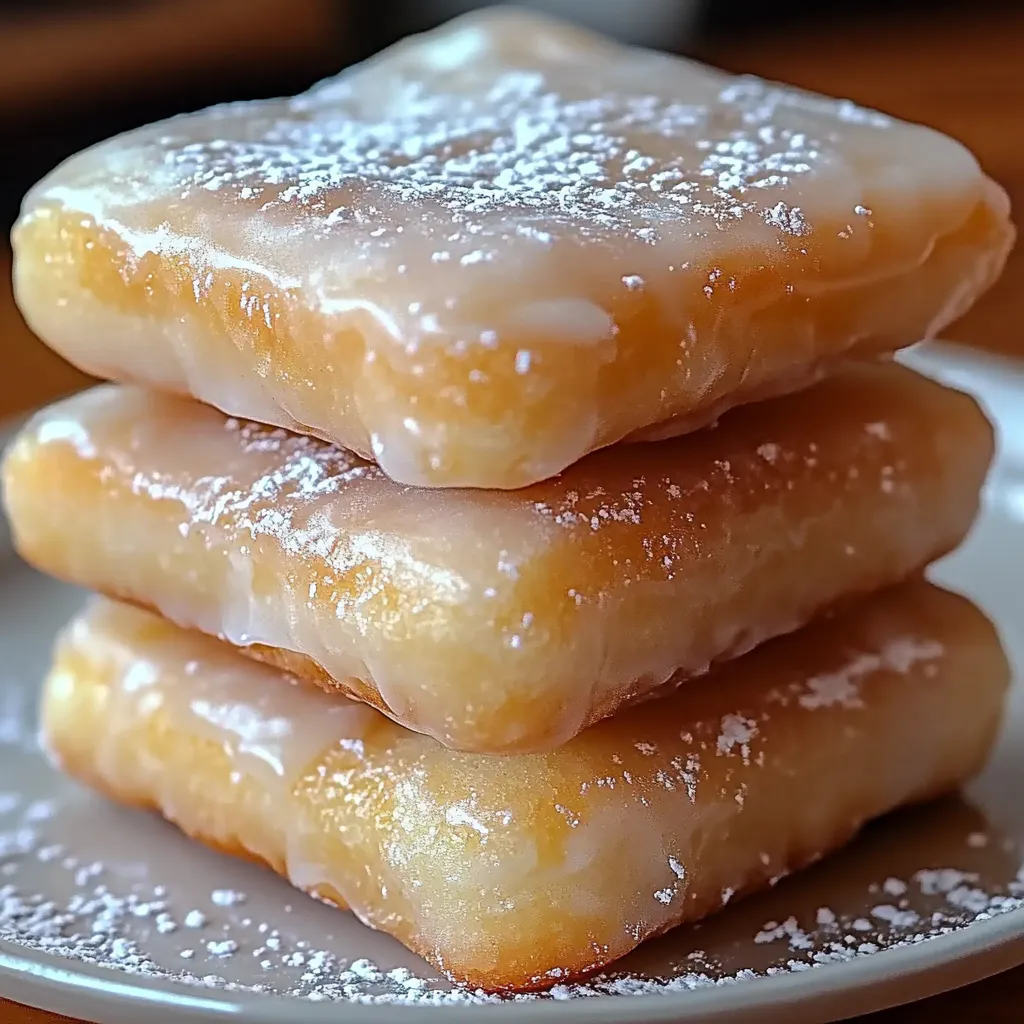
Why These Buttermilk Beignets Are Worth Every Bite
There’s something magical about the moment when a golden, sugar-dusted beignet lands on your plate — warm, puffy, and impossibly light. These Buttermilk Beignets take inspiration from the classic New Orleans favorite but with a tender, melt-in-your-mouth twist. The buttermilk adds a subtle tang that balances the sweetness beautifully, while the nutmeg gives each bite a comforting warmth.
What I love most about making these is how simple and satisfying the process feels. There’s a rhythm to whisking, resting, and frying — and the smell that fills the kitchen when they’re cooking is downright irresistible. You’ll notice the aroma instantly: a mix of butter, vanilla, and that hint of fried sweetness that reminds you of a cozy bakery.
Ingredients You’ll Need for the Perfect Beignets
Before you start, gather everything — once the oil is hot, things move fast. Here’s what you’ll need to whip up a batch of these golden beauties:
Ingredients:
- 2 cups all-purpose flour
- 1/2 cup granulated sugar
- 1 tablespoon baking powder
- 1/2 teaspoon baking soda
- 1/2 teaspoon salt
- 1/2 teaspoon ground nutmeg
- 1/2 cup buttermilk
- 2 large eggs
- 1 teaspoon vanilla extract
- 1/4 cup unsalted butter, melted
- Vegetable oil, for frying
- Powdered sugar, for dusting
Every ingredient has its purpose — the baking powder and soda give lift, the buttermilk keeps things tender, and the nutmeg adds just enough depth to make each bite feel special.
Mixing the Batter – Getting the Texture Just Right
In a large bowl, whisk together your dry ingredients: flour, sugar, baking powder, baking soda, salt, and nutmeg. The nutmeg might seem subtle, but it’s what makes the aroma so inviting once the beignets hit the oil.
In a separate bowl, whisk the buttermilk, eggs, and vanilla extract until smooth. Stir in the melted butter — I always make sure it’s slightly cooled so it doesn’t scramble the eggs.
Pour the wet mixture into the dry ingredients, then fold gently with a spatula. Don’t overmix; you want the batter thick yet spoonable, with a few small lumps. That’s the secret to light, tender beignets that puff up beautifully when fried.
The Importance of Resting the Batter
This step is easy to skip, but it makes all the difference. Cover the bowl with a towel or plastic wrap and let the batter rest for about 30 minutes at room temperature.
During this time, the flour hydrates and the leavening agents get a head start — giving you that perfect balance between airy and rich once fried. It’s worth the wait.
Frying the Beignets – Golden and Crisp Every Time
When you’re ready to fry, pour enough vegetable oil into a deep pot or heavy-bottomed skillet to submerge the beignets. Heat it to about 175°C (350°F). I like to test the oil by dropping in a tiny bit of batter — it should bubble immediately and rise to the surface.
Using a small spoon or cookie scoop, drop spoonfuls of batter into the hot oil, working in small batches so they don’t crowd each other. They’ll puff up almost instantly, turning a deep golden color after about 2–3 minutes per side.
The sound of gentle sizzling and the sweet scent of frying dough is pure comfort — it’s the kind of smell that makes everyone wander into the kitchen asking, “What are you making?”
Once golden and crisp, remove them with a slotted spoon and drain on paper towels to absorb excess oil.
Dusting and Serving – The Finishing Touch
While they’re still warm (but not piping hot), dust the beignets generously with powdered sugar. The sugar melts slightly on contact, forming that signature snowy coating.
I always give them one last gentle shake to make sure they’re evenly covered. The contrast of crispy edges, fluffy interiors, and that sweet sugar dust is what makes them truly irresistible.
Variations – Make Them Your Own
The beauty of this recipe is how easily you can play with flavors. Add a handful of chocolate chips for a melty surprise inside, or stir in cinnamon for a warmer, spiced version. You can even fold in diced fruit like apples or blueberries for a breakfast-style twist.
For an indulgent dessert, serve the beignets with a dipping sauce — dark chocolate, caramel, or even a simple vanilla glaze. I’ve also tried drizzling honey over warm beignets, and it’s absolutely divine.
Storage and Reheating Tips
Beignets are at their best fresh from the fryer, but if you have leftovers (rarely happens in my kitchen), store them in an airtight container at room temperature for up to two days.
To bring them back to life, reheat briefly in a toaster oven or air fryer — just enough to make the exterior crisp again. Avoid microwaving; it softens them too much. A quick dusting of fresh powdered sugar, and they’re as good as new.
Troubleshooting Common Beignet Mistakes
My beignets didn’t puff up.
The oil may not have been hot enough. Make sure it’s consistently around 175°C before frying.
They’re greasy.
That happens when the oil is too cool, causing the batter to soak up excess fat. Keep your oil hot and avoid overcrowding the pot.
The centers are raw.
They might be too thick or fried at too high a temperature. Drop smaller spoonfuls and give them enough time — about 2–3 minutes per side.
The flavor feels flat.
Don’t skip the nutmeg or vanilla — they make a big difference in depth and aroma.
Your Buttermilk Beignet Questions, Answered
Can I make the batter ahead of time?
Yes! You can prepare it a few hours ahead and keep it covered in the fridge. Let it come to room temperature before frying.
Can I bake these instead of frying?
Technically yes, but they won’t have the same texture. Baking will make them more like muffins — still tasty, but not true beignets.
Can I use milk instead of buttermilk?
You can, but the tang and tenderness won’t be quite the same. If you don’t have buttermilk, mix regular milk with a teaspoon of lemon juice or vinegar and let it sit for 10 minutes before using.
What’s the best oil for frying?
Neutral oils like vegetable, canola, or sunflower work best — they let the flavor of the beignets shine.
How do I serve them like in cafés?
Pile them on a plate, dust them right before serving, and pair them with a strong cup of coffee or chicory blend — it’s pure New Orleans comfort.
Golden, puffy, and kissed with sugar, these Buttermilk Beignets are a simple joy that never fails to impress. Whether you make them for brunch, dessert, or a cozy weekend treat, one bite will transport you straight to a French Quarter café — no ticket required.