
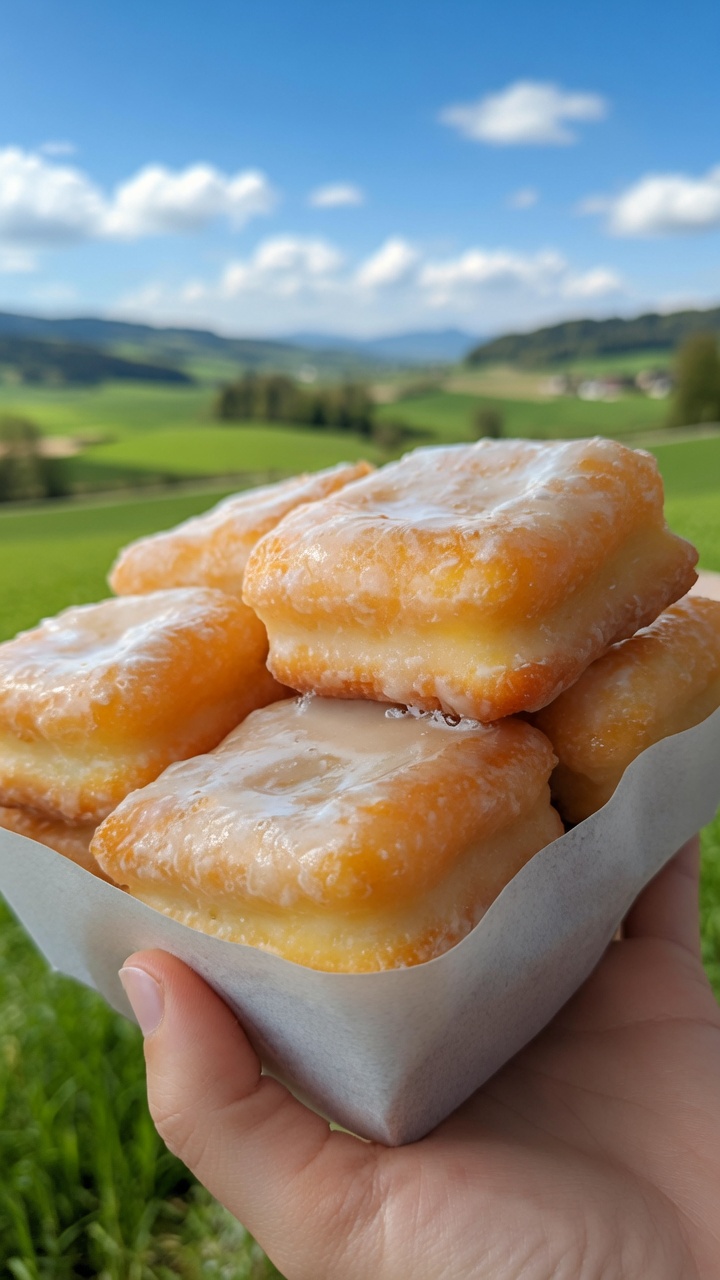
There are few treats more comforting than a batch of warm Buttermilk Beignets fresh from the fryer. Crispy on the outside, incredibly soft on the inside, and covered with a generous layer of powdered sugar, these classic pastries are the kind of dessert that disappears almost as quickly as they’re made. Whether you’re serving them for breakfast, brunch, dessert, or an afternoon coffee break, homemade beignets always feel like a special occasion.
I love making this recipe on slow weekend mornings because the entire kitchen fills with the warm aroma of vanilla, butter, and nutmeg. There’s something satisfying about watching each spoonful of batter puff up into a beautiful golden beignet. Even if they aren’t perfectly round, that’s part of their homemade charm.
Unlike traditional yeast beignets that require rising time, these buttermilk beignets come together much more quickly thanks to baking powder and baking soda. You still get that wonderfully tender interior without waiting hours for dough to proof.
Why Buttermilk Beignets Are a Bakery-Worthy Homemade Treat
Buttermilk gives these beignets their signature tenderness while adding a subtle tang that balances the sweetness beautifully. Combined with vanilla and a hint of nutmeg, every bite tastes rich, comforting, and perfectly balanced.
The outside develops a delicate golden crust while the inside stays soft, airy, and almost cake-like. Once they’re coated with powdered sugar, they’re impossible to resist.
One of my favorite things about this recipe is how forgiving it is. Since you’re dropping spoonfuls of batter directly into hot oil, you don’t have to worry about rolling, cutting, or shaping perfect squares. Each beignet develops its own unique shape, making every batch look delightfully homemade.
Everything You Need for Light, Fluffy Buttermilk Beignets
This recipe uses everyday baking ingredients that you may already have in your kitchen.
Ingredients
- 2 cups all-purpose flour
- ½ cup granulated sugar
- 1 tablespoon baking powder
- ½ teaspoon baking soda
- ½ teaspoon salt
- ½ teaspoon ground nutmeg
- ½ cup buttermilk
- 2 large eggs
- 1 teaspoon vanilla extract
- ¼ cup unsalted butter, melted
- Vegetable oil, for frying
- Powdered sugar, for dusting
Using fresh baking powder and baking soda is especially important here since they provide all the lift that makes these beignets wonderfully fluffy.
The Role of Buttermilk and Nutmeg in Classic Beignet Flavor
Buttermilk isn’t just another liquid ingredient. Its acidity reacts with the baking soda to produce a lighter, more tender texture. It also adds a gentle tang that keeps the beignets from tasting overly sweet.
Nutmeg may seem like a small addition, but it plays an important role. Just half a teaspoon creates that classic bakery aroma many people associate with old-fashioned doughnuts and beignets. You’ll notice its warm fragrance as soon as the batter begins frying.
Vanilla ties everything together, while the melted butter adds richness and helps create a soft crumb.
Mixing the Batter Without Losing Its Delicate Texture
Begin by whisking together the flour, sugar, baking powder, baking soda, salt, and ground nutmeg in a large bowl. Mixing the dry ingredients first ensures the leavening agents are evenly distributed.
In another bowl, whisk together the buttermilk, eggs, vanilla extract, and melted butter until smooth.
Pour the wet ingredients into the dry ingredients and gently fold everything together using a spatula or wooden spoon. Stir only until the flour disappears. It’s perfectly normal if the batter still has a few small lumps.
I always remind myself to stop mixing earlier than I think I should. Overmixing develops the gluten, which can make the finished beignets dense instead of light and fluffy.
The finished batter should be thick enough to hold its shape on a spoon while still being soft enough to drop easily into the hot oil.
Frying Buttermilk Beignets to Golden Perfection
Pour vegetable oil into a deep, heavy-bottomed pot, filling it several inches deep. Heat the oil to 350°F.
Using two spoons or a small cookie scoop, carefully drop spoonfuls of batter into the hot oil. Avoid overcrowding the pot, as this can lower the oil temperature and lead to greasy beignets.
As the batter fries, the beignets will puff beautifully and develop a rich golden color. Turn them occasionally so both sides cook evenly.
Continue frying until they’re golden brown on all sides and cooked through in the center.
Remove each beignet with a slotted spoon and place them on paper towels to drain excess oil.
Continue frying the remaining batter, allowing the oil temperature to return to 350°F between batches. Maintaining consistent heat is one of the biggest secrets to successful homemade beignets.
While they’re still warm, generously dust them with powdered sugar. The sugar melts slightly against the warm surface, creating that classic snowy finish everyone loves.
Serve immediately for the very best texture.
Tips for Crispy Edges, Soft Centers, and Perfect Oil Temperature
A few small techniques make a noticeable difference.
- Use a thermometer to keep the oil close to 350°F.
- Fry only a few beignets at a time.
- Don’t overmix the batter.
- Let excess oil drain on paper towels.
- Dust generously with powdered sugar while still warm.
- Use fresh frying oil for the cleanest flavor.
- Test one beignet first to check cooking time.
I always fry a single test beignet before cooking the entire batch. It gives me a chance to adjust the oil temperature if needed.
Finishing with Powdered Sugar for the Signature Look
No beignet feels complete without a thick coating of powdered sugar.
Place the warm beignets on a serving platter and sift powdered sugar generously over the top. Don’t be shy—part of the experience is getting a little powdered sugar on your fingers and maybe even your shirt.
For an extra indulgent presentation, dust them twice: once immediately after frying and again just before serving.
The contrast between the crisp exterior, soft interior, and delicate sweetness of the powdered sugar is what makes these treats so memorable.
Serving, Storing, and Reheating Fresh Beignets
Fresh beignets are always at their best within the first hour after frying.
Serve them alongside:
- Fresh berries
- Coffee
- Hot chocolate
- Café au lait
- Vanilla ice cream
- Fresh fruit
- Whipped cream
If you have leftovers, allow them to cool completely before storing them in an airtight container at room temperature for up to two days.
To reheat, place them in a 300°F oven for about 5 minutes until warmed through, then dust with a fresh layer of powdered sugar before serving.
Microwaving also works, although the exterior won’t stay quite as crisp.
Delicious Flavor Variations and Dipping Sauce Ideas
Once you’ve mastered the basic recipe, it’s easy to customize.
Try these delicious variations:
- Add cinnamon to the batter.
- Stir lemon or orange zest into the mixture.
- Fold mini chocolate chips into the batter.
- Add a pinch of pumpkin pie spice.
- Sprinkle cinnamon sugar instead of powdered sugar.
- Drizzle with honey.
- Top with salted caramel sauce.
- Finish with melted dark chocolate.
They’re also wonderful served with dipping sauces like:
- Chocolate ganache
- Raspberry sauce
- Strawberry sauce
- Warm caramel
- Vanilla glaze
- Lemon curd
- Maple cream
Each variation gives the classic recipe an entirely new personality while keeping its irresistible fluffy texture.
Nutrition Overview and Helpful Recipe Notes
The exact nutritional values depend on the amount of oil absorbed during frying and the quantity of powdered sugar used.
Generally, each serving provides:
- Carbohydrates for quick energy
- Protein from the eggs
- Richness from butter
- Calcium from buttermilk
- Moderate sweetness balanced by warm spices
Since these are an occasional indulgence, they’re best enjoyed fresh and shared with family or friends.
Beignet Baking Questions Answered – Your Homemade FAQ Guide
Can I substitute regular milk for buttermilk?
Yes, but the texture won’t be quite as tender. For a quick substitute, stir one tablespoon of lemon juice or vinegar into ½ cup of milk and let it sit for about 5 minutes.
Why are my beignets greasy?
The oil was likely too cool. Maintaining a steady temperature of 350°F prevents excess oil absorption.
Can I prepare the batter ahead of time?
Yes. Cover and refrigerate it for up to 24 hours. Stir gently before frying.
How do I know when they’re fully cooked?
The outside should be deep golden brown, and the center should be light, fluffy, and no longer wet.
Can I freeze beignets?
Yes. Freeze them without powdered sugar in an airtight container for up to two months. Reheat in the oven and dust with fresh powdered sugar before serving.
Can I make them without nutmeg?
Absolutely. Nutmeg adds classic flavor, but cinnamon or cardamom are delicious alternatives.
What’s the best oil for frying?
Neutral oils with a high smoke point, such as vegetable, canola, or peanut oil, work best.
Why are homemade buttermilk beignets so popular?
They offer the perfect combination of crisp edges, pillowy centers, warm vanilla flavor, and a generous coating of powdered sugar—all made with simple pantry ingredients in less time than traditional yeast-based beignets.