Why These Big Apple Fritters Are a Bakery-Style Favorite
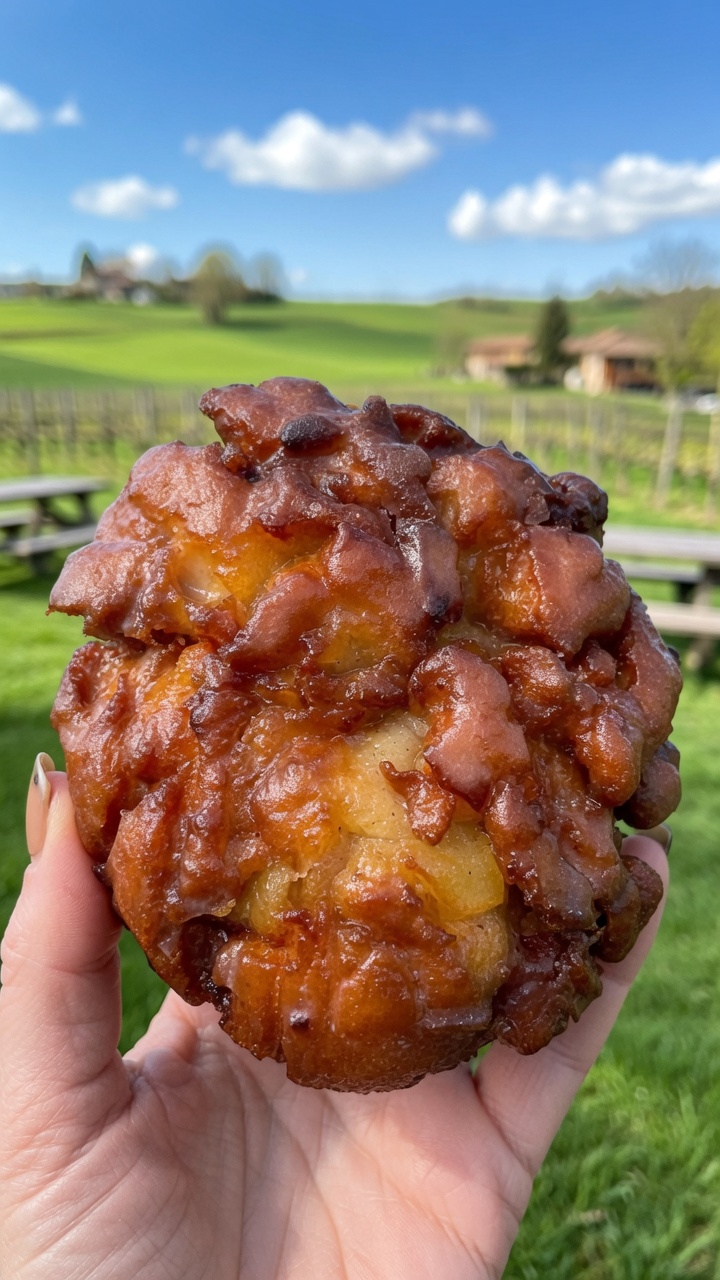
There’s something irresistible about a freshly made apple fritter. With their crisp golden exterior, soft fluffy center, tender apple pieces, and sweet vanilla glaze, they feel like a special treat that’s worth every bite. These Big Apple Fritters capture everything people love about bakery-style fritters while being surprisingly simple to make at home.
I always look forward to making these when apples are in season, although they’re delicious any time of year. As they fry, the warm scent of cinnamon and apples fills the kitchen, making it almost impossible not to sneak one before the glaze has fully set. They’re perfect for weekend breakfasts, afternoon coffee breaks, or whenever you’re craving an old-fashioned homemade dessert.
What You’ll Need to Make Perfect Apple Fritters
Simple pantry staples come together with fresh apples to create these soft, flavorful fritters.
Ingredients
For the Apple Fritters
- 1½ cups all-purpose flour
- ¼ cup granulated sugar
- 2 teaspoons baking powder
- ½ teaspoon salt
- 1½ teaspoons ground cinnamon
- 3 tablespoons applesauce
- 2 large eggs
- ⅓ cup milk
- 2 large Granny Smith apples, peeled and diced
For the Vanilla Glaze
- 2 cups powdered sugar
- ¼ cup milk
- ½ teaspoon vanilla extract
For Frying
- Vegetable oil or canola oil
Fresh Granny Smith apples are my favorite because their tartness balances the sweetness of the glaze, but other firm apples also work well.
Choosing the Best Apples for Flavor and Texture
The apples are the star of this recipe, so choosing the right variety makes a noticeable difference.
Granny Smith apples remain firm during frying while adding a bright, slightly tart flavor that contrasts beautifully with the sweet batter. Honeycrisp, Pink Lady, Braeburn, or Fuji apples are also excellent options if you prefer a sweeter fritter.
Dice the apples into small, even pieces. This allows them to cook evenly and ensures every bite includes tender apple without making the fritters difficult to fry.
Fresh apples always provide the best texture. Avoid overly soft apples, as they tend to break down during cooking.
Mixing the Batter Without Overworking It
Begin by combining the flour, sugar, baking powder, salt, and cinnamon in a large mixing bowl. Stir until the dry ingredients are evenly distributed.
Next, add the applesauce, eggs, and milk. Stir gently until everything comes together. The batter should look thick with a few small lumps remaining. Resist the urge to keep mixing, as overworked batter can lead to dense fritters instead of light, tender ones.
Finally, fold the diced apples into the batter using a spatula. Mix just enough to distribute them evenly throughout.
I love seeing the colorful apple pieces throughout the batter because you already know every fritter will be packed with fruit.
Frying Big Apple Fritters Until Crispy and Golden
Pour several inches of oil into a deep heavy-bottomed pot or deep skillet and heat until it reaches frying temperature.
Using a measuring cup or large scoop, carefully drop approximately ¼ cup of batter into the hot oil. Avoid overcrowding the pan since this lowers the oil temperature and prevents proper browning.
Allow each fritter to cook until the underside becomes deep golden brown before gently turning it over. Continue frying until both sides are evenly browned and the center is fully cooked.
Transfer the finished fritters to a wire rack or paper towel-lined plate to drain any excess oil.
While they’re cooling slightly, prepare the glaze by whisking together the powdered sugar, milk, and vanilla until completely smooth. The glaze should be thick enough to coat the fritters while still flowing easily.
Dip each warm fritter into the glaze, coating the top generously, then place it back on the rack until the glaze firms into a beautiful shiny finish.
Tips for Frying Without Greasy Results
A few simple techniques help produce bakery-quality fritters every time.
- Keep the oil at a consistent frying temperature.
- Fry only two or three fritters at once.
- Don’t overcrowd the pan.
- Drain the fritters well before glazing.
- Stir the glaze occasionally to keep it smooth.
- Allow the glaze to set completely before stacking the fritters.
I find that patience during frying always pays off with crisp exteriors and fluffy interiors.
Serving Fresh Apple Fritters While They’re Warm
These fritters are at their absolute best slightly warm, when the glaze has just set and the inside remains soft and tender.
Serve them with:
- Fresh coffee
- Hot tea
- Apple cider
- Hot chocolate
- Cold milk
They’re wonderful for breakfast, brunch, dessert, or an afternoon snack. Their homemade appearance—with slightly irregular shapes—is part of their charm.
Delicious Variations and Flavor Twists
Once you’ve mastered the classic version, there are plenty of ways to customize these fritters.
Try these ideas:
- Add a pinch of nutmeg for extra warmth.
- Mix in finely chopped pecans or walnuts.
- Stir raisins into the batter.
- Replace the vanilla glaze with maple glaze.
- Add orange zest for a bright citrus note.
- Sprinkle the glaze with cinnamon sugar.
- Drizzle with caramel sauce before serving.
- Mix diced pears with the apples for a seasonal twist.
Each variation offers a slightly different flavor while preserving the comforting homemade character of the original recipe.
How to Store and Reheat Homemade Apple Fritters
Although they’re best enjoyed fresh, leftovers can still be delicious.
Store cooled fritters in an airtight container at room temperature for up to 2 days or refrigerate for up to 4 days.
To reheat, warm them in a 300°F (150°C) oven for several minutes until heated through. This helps restore some of the crispness.
Avoid microwaving for too long, as it can soften the exterior.
If you want to freeze them, wrap each fritter individually and freeze for up to 2 months. Thaw overnight in the refrigerator before reheating.
Nutrition Highlights and What to Expect Per Serving
The exact nutritional information depends on the size of the fritters and the amount of glaze absorbed during dipping.
In general, each serving provides:
- Carbohydrates for energy
- Protein from the eggs and milk
- Fiber from the apples
- Warm cinnamon flavor without overwhelming sweetness
- A satisfying combination of crisp exterior and soft interior
Using fresh apples adds natural sweetness and moisture while contributing vitamins and dietary fiber.
Apple Fritter Questions Answered
Can I use a different type of apple?
Yes. Honeycrisp, Fuji, Pink Lady, Braeburn, and Gala all work well, although Granny Smith provides the classic sweet-tart balance.
Can I prepare the batter ahead of time?
It’s best to fry the batter soon after mixing so the baking powder remains active and produces light fritters.
Why are my fritters greasy?
The oil is usually too cool. Maintaining the proper frying temperature helps the fritters cook quickly without absorbing excess oil.
Can I bake these instead of frying?
This recipe is specifically developed for frying, which creates the signature crisp crust and fluffy interior. Baking will produce a different texture.
How do I know when they’re fully cooked?
The outside should be deep golden brown, and the center should be fully set with no wet batter remaining.
Can I freeze glazed fritters?
Yes. Freeze them in a single layer until firm, then transfer them to an airtight freezer container for up to two months.
What’s the best way to keep the glaze smooth?
Whisk it well before dipping and stir occasionally while glazing multiple fritters.
Why are these called apple fritters?
Traditional fritters are made by folding fruit into a simple batter before frying until golden and finishing with a sweet glaze, creating the classic bakery-style treat that has been enjoyed for generations.