
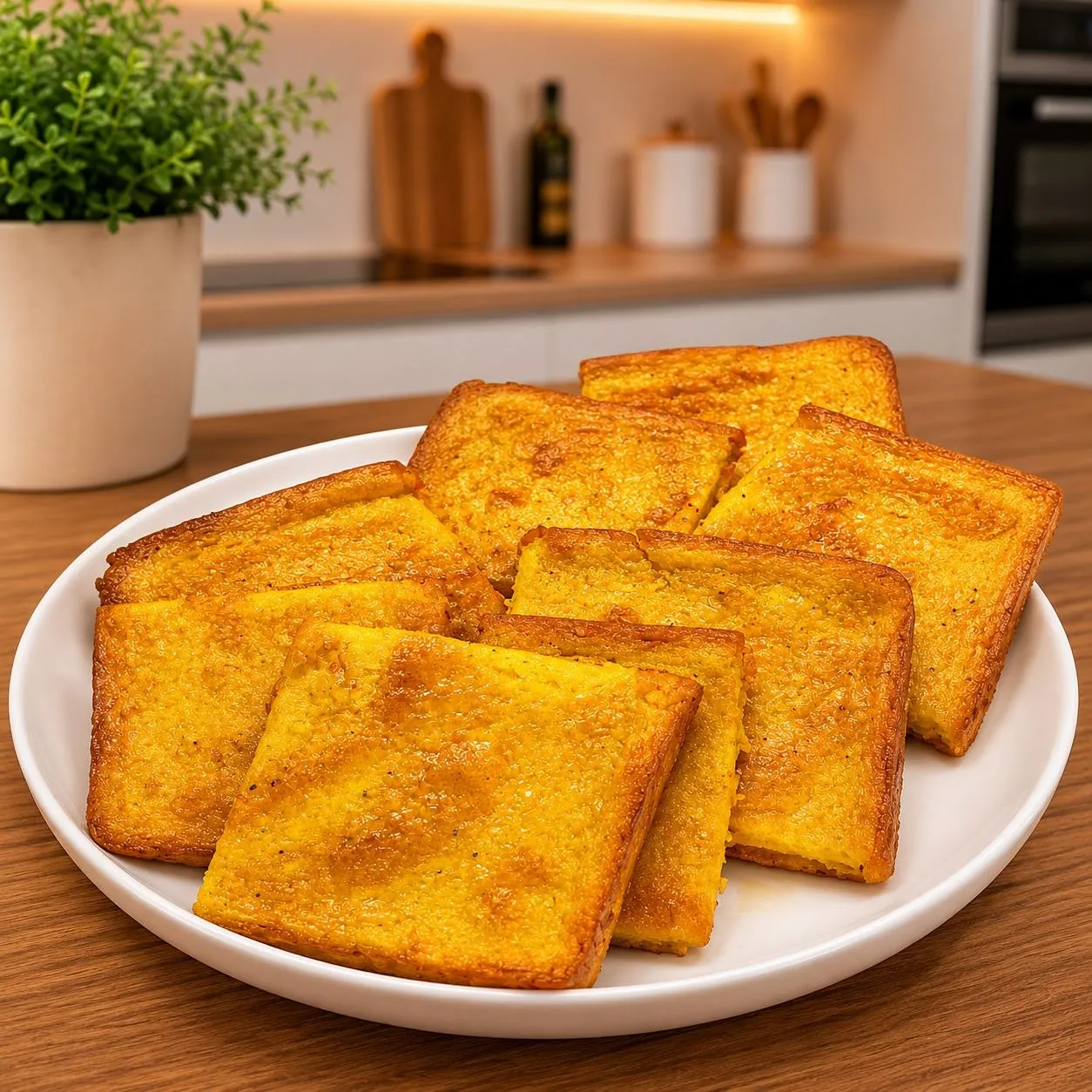
There’s something incredibly satisfying about making a recipe that uses only a handful of humble ingredients yet tastes like something from a cozy café near the Mediterranean coast. Chickpea Farinata, also known as Socca, is one of those recipes. It’s thin, golden, slightly crisp around the edges, and soft in the center with a warm, nutty flavor that feels both rustic and comforting.
The first time I made socca, I honestly wasn’t expecting much from chickpea flour and water. But the aroma that filled the kitchen while it baked completely changed my mind. The edges turned beautifully crisp, the center stayed tender, and the za’atar on top added a herby finish that made every bite feel special.
This recipe is simple, naturally gluten-free, and surprisingly filling. Whether you serve it as a light lunch, appetizer, or snack, it’s one of those dishes that feels wholesome and effortless at the same time.
Why Chickpea Farinata Is So Popular
Farinata has been enjoyed for generations in parts of Italy and France, especially along the Ligurian coast where it’s traditionally baked in hot wood-fired ovens. Socca is the French version from Nice, and while the names vary slightly, the idea remains the same: a savory chickpea pancake baked until golden and crisp.
What makes it so loved is the texture. The outside becomes lightly crunchy while the inside stays creamy and soft. It’s hearty without being heavy, and the chickpea flour gives it a rich, earthy flavor that pairs beautifully with herbs and olive oil.
I also love how budget-friendly it is. You probably already have most of the ingredients in your pantry.
Ingredients You’ll Need
- 125 gm (1 1/4 cup) chickpea flour or besan
- 375 ml (1 3/4 cup) water
- 3 tablespoons olive oil, divided
- 1/2 teaspoon salt
- 1/3 teaspoon black pepper
- Za’atar, for topping
These simple ingredients come together to create something surprisingly flavorful and satisfying.
How to Make Chickpea Farinata (Socca)
Prepare the batter
Place the chickpea flour into a mixing bowl. Slowly whisk in the water little by little until you have a smooth batter with no lumps. The texture should resemble thin pancake batter. If you pour the water too quickly, lumps can form, so take your time here.
Once mixed, you may notice a little foam on top. Skim it off gently with a spoon for a smoother finish. Cover the bowl and let the batter rest at room temperature. This resting step is important because it allows the chickpea flour to fully absorb the water, which improves both texture and flavor.
Preheat the pan and oven
Place a cast iron skillet or heat-proof baking pan into the oven while it preheats. A very hot pan helps create that signature crispy bottom. I love hearing the slight sizzle when the batter hits the hot oil—it’s a good sign things are going right.
Season the batter
After resting, stir the batter again and mix in the salt, black pepper, and 1 tablespoon olive oil. The batter may look slightly thicker now, which is completely normal.
Prepare the hot skillet
Carefully remove the hot skillet from the oven using oven mitts. Pour the remaining olive oil into the pan and swirl it around so the surface is evenly coated.
Pour and bake
Give the batter one final stir, then pour it into the hot pan. Spread it evenly if needed using the back of a spoon. Bake until the edges become crisp and golden brown while the top develops deep golden spots.
The smell at this stage is incredible—warm, nutty, and slightly toasted. You’ll notice the edges pulling away slightly from the pan when it’s ready.
Broil for extra color
If you like more color and crispiness, place the farinata under the broiler for a minute or two. Watch carefully because it can brown quickly.
Finish and serve
Remove from the oven and slide the farinata onto a cutting board. Sprinkle generously with za’atar while still warm, then slice into wedges or strips and serve immediately.
What Makes This Farinata So Delicious
The beauty of socca lies in its contrast of textures. The edges become thin and crisp while the center stays tender and creamy. The olive oil adds richness, and the chickpea flour develops a slightly roasted flavor during baking that’s deeply comforting.
Za’atar adds brightness and a subtle herbal tang that takes the whole dish to another level. I sometimes add an extra drizzle of olive oil before serving because it makes the surface glisten beautifully.
Helpful Tips for Perfect Socca Every Time
Let the batter rest if possible. Even 30 minutes improves the texture significantly.
Use a very hot pan to help create crispy edges.
Don’t make the batter too thick. Socca should be thin enough to bake evenly and develop crisp spots.
Watch closely when broiling because it browns fast.
Cast iron pans work especially well because they hold heat evenly.
Flavor Variations You Can Try
One of the things I enjoy most about this recipe is how adaptable it is. You can top the batter with sliced onions, rosemary, chili flakes, or thin tomato slices before baking. Fresh herbs like parsley or thyme also work beautifully.
For a richer version, sprinkle grated parmesan over the top during the last few minutes of baking. You can even serve it with hummus, yogurt sauce, or roasted vegetables for a fuller meal.
Serving and Storage Ideas
Socca is best served warm straight from the oven while the edges are still crisp. It makes a wonderful appetizer, light lunch, or side dish alongside soups and salads.
If you have leftovers, store them in an airtight container in the refrigerator for up to two days. Reheat in a skillet or oven to bring back some crispness. Microwaving works too, though the texture becomes softer.
I actually enjoy cold leftovers with a little lemon squeezed over the top. The flavors deepen overnight in a really nice way.
Nutrition Snapshot
Chickpea flour is naturally rich in plant-based protein and fiber, making this recipe both filling and nourishing. It’s naturally gluten-free and contains healthy fats from olive oil, which makes it a great option for people looking for simple, wholesome meals.
Because it’s baked instead of fried, it also feels lighter than many savory pancakes or flatbreads.
Chickpea Farinata (Socca) FAQ
Can I make the batter ahead of time?
Yes. You can prepare the batter several hours ahead and keep it covered in the fridge. Stir well before using.
What does socca taste like?
It has a nutty, savory flavor with crispy edges and a soft center. The taste is earthy but mild.
Can I use a regular baking dish instead of cast iron?
Absolutely. A heat-proof metal or ceramic baking dish will work, though cast iron gives the crispiest results.
Why is my farinata too soft?
It may need more baking time or a hotter oven. Thin batter and a properly heated pan help create crispness.
Is chickpea farinata healthy?
Yes. It’s high in protein and fiber, naturally gluten-free, and made with simple ingredients.
Once you make Chickpea Farinata at home, it’s hard not to fall in love with its simplicity. It’s rustic, flavorful, and comforting in the best possible way. The crispy golden edges alone are worth making it for again and again.