
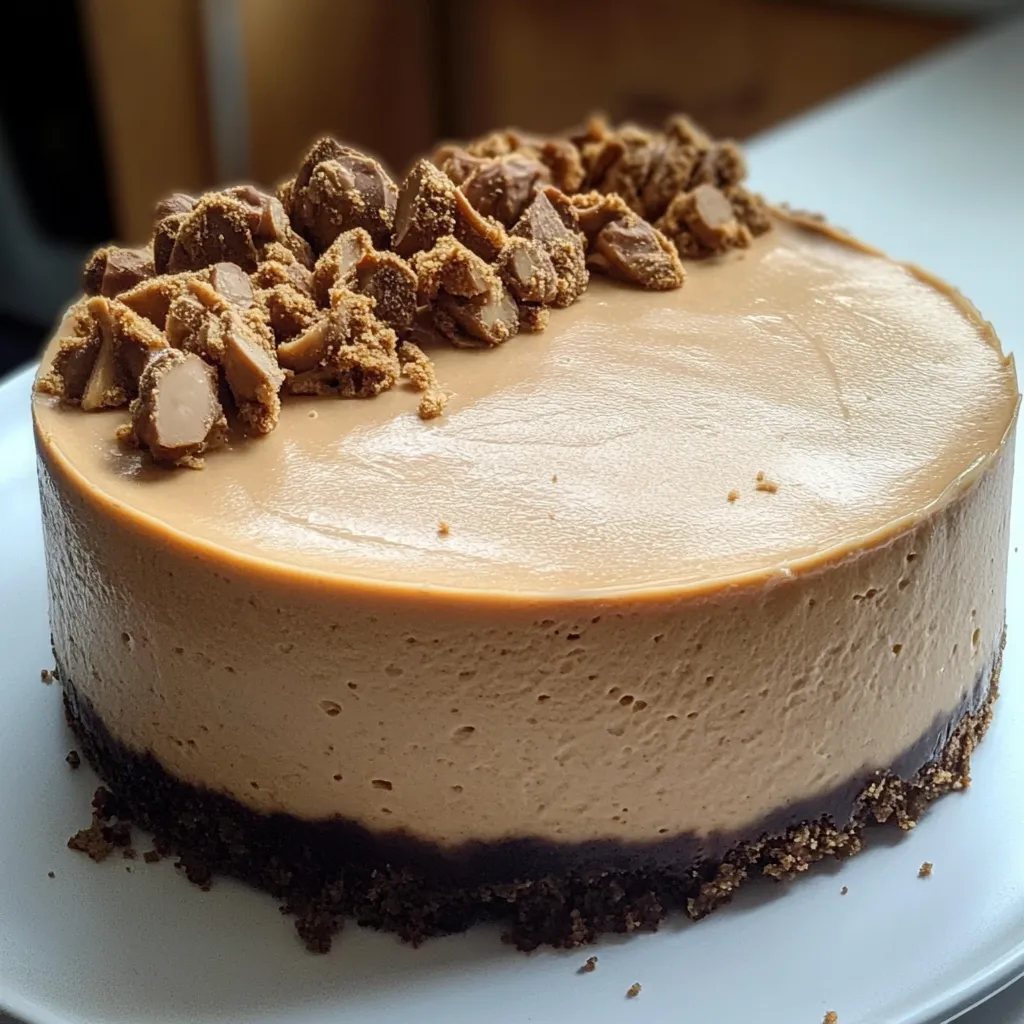
There’s something about peanut butter desserts that feels instantly comforting, and when you turn that into a cheesecake, it becomes something truly special. This Peanut Butter Cheesecake is smooth, rich, and perfectly balanced between sweet and nutty. The first time I made it, I remember thinking it might be too heavy—but somehow, every bite just melts away and keeps you going back for more.
As it bakes, your kitchen fills with that warm, slightly toasted peanut aroma mixed with creamy vanilla. And once it’s chilled, the texture becomes incredibly silky with just the right amount of firmness. It’s one of those desserts that feels impressive but is actually quite simple when you break it down.
Why This Peanut Butter Cheesecake Works So Well
What I love about this recipe is how it combines a crunchy, buttery base with a velvety filling that’s packed with peanut flavor without being overwhelming. The cream cheese adds a gentle tang that cuts through the richness, so it never feels too sweet.
It’s also a reliable recipe. I’ve made it for gatherings, birthdays, and even just a quiet weekend treat, and it always turns out beautifully. Even when the top cracks slightly (which happens sometimes), it still tastes amazing—and you can always cover it with toppings.
Ingredients You’ll Need
For the crust:
- 200g biscuits (digestive or graham crackers)
- 100g melted butter
For the filling:
- 400g cream cheese, softened
- 200g peanut butter
- 150g sugar
- 200ml heavy cream
- 2 eggs
- 1 teaspoon vanilla extract
For topping (optional):
- Crushed peanuts or chocolate pieces
Step-by-Step Cooking Instructions
Prepare the crust
Start by crushing the biscuits into fine crumbs. You can use a food processor or just place them in a bag and crush them with a rolling pin—it’s a bit messy but oddly satisfying. Mix the crumbs with melted butter until everything is evenly coated and resembles wet sand.
Press the mixture firmly into the bottom of a springform pan, making sure it’s compact and level. I usually use the back of a spoon or even a glass to smooth it out. Place it in the fridge for 20 to 30 minutes to set. This step makes a big difference—it keeps the crust from falling apart later.
Make the filling
In a large bowl, beat the softened cream cheese until completely smooth. Take your time here—any lumps now will show up in the final cheesecake. Add the peanut butter and sugar, and mix until well combined and creamy.
Add the eggs one at a time, mixing gently after each addition. Try not to overmix at this stage, as too much air can cause cracks during baking. Pour in the heavy cream and vanilla extract, then mix just until the batter is smooth and silky.
Bake
Pour the filling over the chilled crust and smooth the top. Place the cheesecake in a preheated oven at 160°C (320°F). Bake for about 50 to 60 minutes. The edges should look set, but the center should still have a slight jiggle when you gently shake the pan.
I always find this part a bit nerve-wracking, but trust the jiggle—it firms up as it cools.
Cool
Remove the cheesecake from the oven and let it cool at room temperature. Don’t rush this step. Sudden temperature changes can cause cracks. Once it has cooled, transfer it to the fridge and let it chill for at least 4 hours, though overnight is even better.
By the next day, the texture becomes beautifully firm and sliceable, with a creamy interior that holds its shape perfectly.
Serve
Before serving, you can decorate the top with crushed peanuts or chocolate pieces. Slice with a sharp knife, wiping the blade between cuts for clean edges. Each slice should be rich, smooth, and slightly dense in the best way.
Texture, Flavor, and Aroma Notes
This cheesecake has a lovely contrast of textures. The crust is firm and slightly crumbly, while the filling is smooth and creamy with a melt-in-your-mouth feel. The peanut butter gives it a deep, nutty richness, while the cream cheese adds a subtle tang that keeps everything balanced.
You’ll notice the aroma right away—nutty, sweet, and slightly toasted. It’s the kind of dessert that makes people gather in the kitchen before it’s even fully set.
Helpful Tips for Best Results
Make sure your cream cheese is fully softened before mixing. It makes a huge difference in achieving a smooth filling.
Mix gently once you add the eggs to avoid incorporating too much air.
If you’re worried about cracks, you can bake the cheesecake in a water bath, though I don’t always do it and it still turns out great.
Let it chill completely before slicing—this is where the magic really happens.
Variations You Can Try
You can easily customize this cheesecake to suit your taste. Swirl in some melted chocolate before baking for a marbled effect, or drizzle caramel sauce over the top before serving. For a slightly salty contrast, sprinkle a pinch of sea salt on top.
If you want something lighter, you can use a mix of cream cheese and whipped cream folded in after baking for a softer texture. Or try using crunchy peanut butter for added texture throughout.
Serving and Storage
Serve this cheesecake chilled for the best texture and flavor. It pairs beautifully with coffee or even a glass of cold milk.
Store leftovers in the fridge, covered, for up to 4 to 5 days. You can also freeze individual slices—just wrap them well and thaw in the fridge before serving. The texture holds up surprisingly well.
Nutrition Snapshot
This is definitely an indulgent dessert, rich in fats and sugars, but also satisfying in small portions. The peanut butter adds protein and healthy fats, making it more filling than many other desserts.
Peanut Butter Cheesecake FAQ
Can I use natural peanut butter?
Yes, but make sure it’s well stirred and not too oily, as that can affect the texture.
Why did my cheesecake crack?
Cracks can happen from overmixing, overbaking, or sudden cooling. Even if it cracks, it will still taste delicious.
Can I make this without baking?
This specific recipe is baked, but you can adapt it into a no-bake version by adjusting the filling with whipped cream and gelatin.
How do I know when it’s done baking?
The edges should be set and the center should still jiggle slightly. It will firm up as it cools.
Can I make it ahead of time?
Yes, and it’s actually better that way. Making it the day before allows the flavors to develop and the texture to fully set.
This Peanut Butter Cheesecake is one of those desserts that feels both comforting and a little indulgent. Once you try it, it’s hard not to keep it in your regular dessert rotation.