
A Sweet Taste of Nostalgia – The Story Behind Japanese Milk Bread
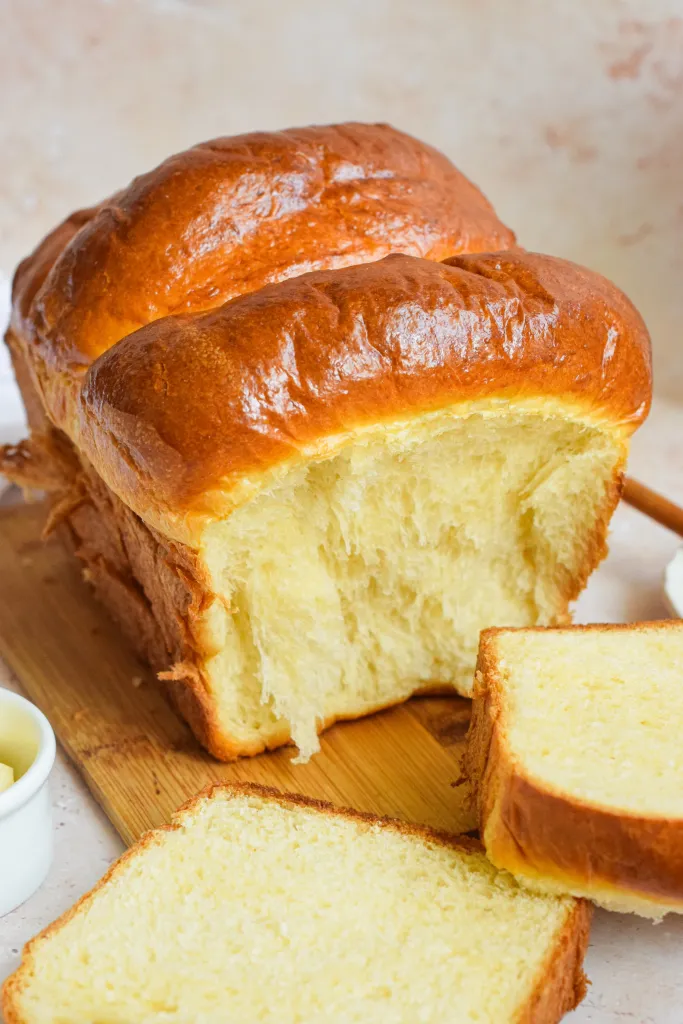
Japanese Milk Bread has a reputation for being impossibly soft, and once you make it yourself, you understand why people fall in love with it. This bread feels more like a pillow than a loaf. The crumb is light, stretchy, and slightly sweet, and the crust is thin and golden with a gentle shine from butter and honey.
The Tangzhong method is what makes this bread so special. It’s a simple cooked paste of flour and water, but it transforms the dough into something extraordinary. The first time I tried it, I couldn’t believe how tender the loaf stayed even the next day. It reminded me of bakery bread from childhood trips where the smell of warm milk and yeast filled the air. This recipe is comforting, slow, and deeply satisfying, and it’s one I return to whenever I want something truly homemade.
What You’ll Need to Make This Cloud-Soft Bread
This recipe uses basic ingredients, but each one plays an important role in building flavor and texture. High-protein flour gives structure, milk and egg add richness, and butter brings tenderness.
Ingredients:
- 40 g high-protein flour
- 200 ml water
- 580 g high-protein flour
- 60 g sugar
- 12 g salt
- 10 g dry yeast
- 10 g milk powder
- 260 ml milk
- 50 g egg
- 50 g soft butter
- Egg yolk mixed with 15 ml milk (for brushing)
- Butter and a little honey (for finishing)
Using milk powder may seem optional, but it gives the bread that subtle dairy sweetness and soft crumb that makes Japanese milk bread so unique.
Preparing Your Workspace and Ingredients for Success
Before you begin, measure everything carefully. Bread baking depends on balance, and small changes in flour or liquid can affect the final texture.
Make sure your butter is soft, your milk is at room temperature, and your yeast is fresh. I like to line up all my ingredients on the counter first. It makes the process calm and organized, and it feels like a ritual before the dough comes to life.
Crafting the Tangzhong – The Secret to Soft and Stretchy Bread
In a saucepan, combine 200 ml water with 40 g flour. Place it over medium heat and stir constantly. At first it will look thin and cloudy, but within a few minutes it thickens into a smooth, elastic paste.
When your spoon leaves visible lines in the mixture and it looks glossy and pudding-like, remove it from the heat. Let it cool completely before adding it to the dough.
This Tangzhong paste locks moisture into the dough and gives the bread its signature softness. It may seem like an extra step, but it’s the heart of this recipe.
Mixing and Kneading – Building the Perfect Dough
In a stand mixer bowl, combine the remaining flour, sugar, salt, yeast, and milk powder. Add the milk, egg, and cooled Tangzhong paste. Begin mixing until a soft dough forms.
About halfway through mixing, add the soft butter. The dough may look slippery at first, but keep mixing and it will come together into a smooth, elastic ball.
The dough should feel slightly tacky but not sticky. When you stretch a piece between your fingers, it should form a thin window without tearing. That’s how you know the gluten is well developed.
First Rise – Letting Time and Yeast Work Their Magic
Cover the dough with a clean cloth or plastic wrap and let it rise in a warm place until it has doubled in size. This usually takes about one hour, depending on room temperature.
When you press a finger gently into the dough and the indentation slowly springs back, it’s ready. The smell at this stage is comforting and slightly sweet, like warm milk and yeast.
Shaping and Second Rise – Creating a Beautiful Loaf
Divide the dough into equal portions and shape them into smooth balls. Let them rest for about 10 minutes so the gluten relaxes.
Shape each piece and arrange them neatly in a greased loaf pan. Cover again and let them rise until doubled in size. This second rise is what gives the bread its light and airy crumb.
Watching the dough slowly fill the pan is one of my favorite parts. It feels alive and full of promise.
Baking and Finishing – From Pale Dough to Golden Perfection
Brush the risen dough gently with the egg yolk and milk mixture. This gives the loaf a shiny, golden crust.
Bake in a preheated oven until the bread is cooked through and beautifully browned on top. Your kitchen will smell like warm butter and fresh bread, and it’s almost impossible not to peek inside the oven.
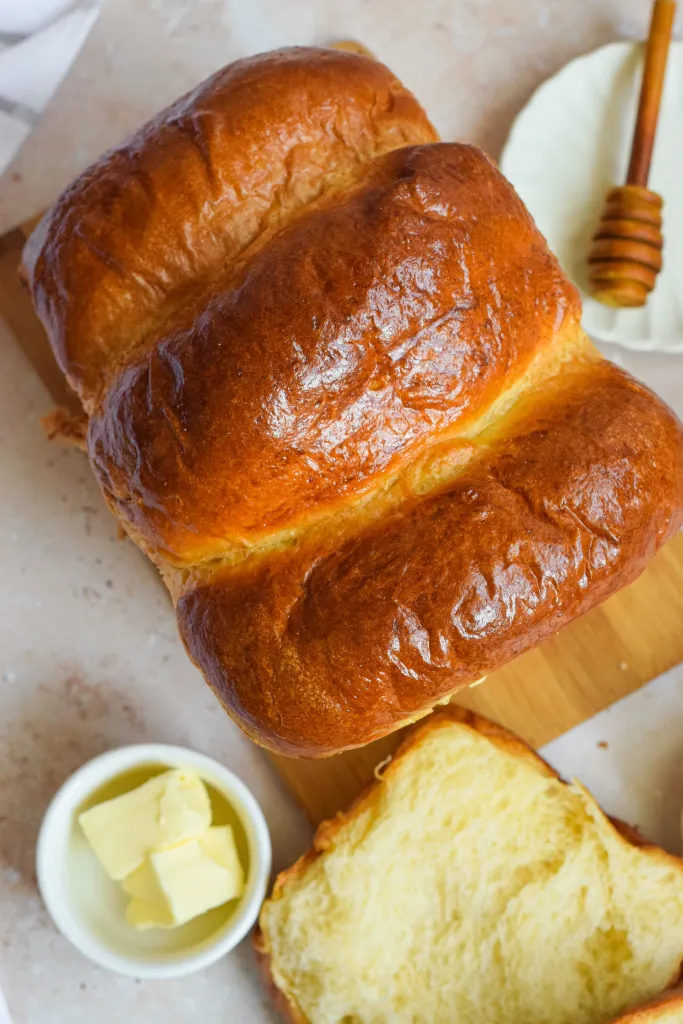
As soon as the loaf comes out, brush it with butter and a little honey. This step adds flavor and keeps the crust soft and glossy.
Tips for a Fluffy Crumb and Tender Crust
- Always let the Tangzhong cool before mixing it into the dough.
- Knead well for structure and softness.
- Do not rush the rising times. Flavor and texture depend on them.
- Brush butter while the bread is hot so it melts into the crust.
These small habits turn a good loaf into an unforgettable one.
Serving and Storing Your Homemade Milk Bread
Japanese milk bread is wonderful warm with butter, jam, or honey. It also makes excellent toast and the best sandwiches because it stays soft for days.
Store it wrapped at room temperature for up to three days, or freeze slices for longer storage. A quick toast brings it right back to life.
Creative Ways to Enjoy Japanese Milk Bread
Use this bread for French toast, bread pudding, or sweet breakfast sandwiches. It’s also perfect for sliders or soft dinner rolls.
Sometimes I tear off a piece while it’s still warm and eat it plain. It doesn’t need anything else.
Variations to Try – From Sweet Rolls to Savory Loaves
You can shape this dough into rolls instead of a loaf, or add raisins, chocolate chips, or citrus zest for a sweet version.
For a savory twist, mix in cheese or herbs before shaping. The Tangzhong method works beautifully with both sweet and savory flavors.
Nutrition Snapshot – Gentle Indulgence in Every Slice
This bread is richer than standard white bread because of the milk, egg, and butter, but it’s still balanced when enjoyed in moderation. It provides carbohydrates for energy and small amounts of protein and fat that make it satisfying and filling.
Sweet Questions Answered – Your Milk Bread FAQ Corner
Can I make this bread without a stand mixer?
Yes. It takes more effort, but hand kneading works well if you knead until smooth and elastic.
Why is my bread dense instead of fluffy?
This usually means the dough didn’t rise long enough or wasn’t kneaded properly. Give it time and warmth.
Can I freeze Japanese milk bread?
Yes. Slice it first and freeze in airtight bags. Toast straight from frozen when needed.
How do I know when the bread is baked through?
Tap the bottom of the loaf. It should sound hollow, and the top should be golden brown.
Can I make this recipe ahead of time?
Yes. Bake it the day before serving and store wrapped. It stays soft and flavorful even the next day.
Japanese Milk Bread made with the Tangzhong method is one of those recipes that feels magical every time. The texture, aroma, and gentle sweetness make it unforgettable. Once you try it, it’s hard to go back to ordinary bread.