A Sweet Taste of Nostalgia – The Story Behind Old Fashioned Orange Candy
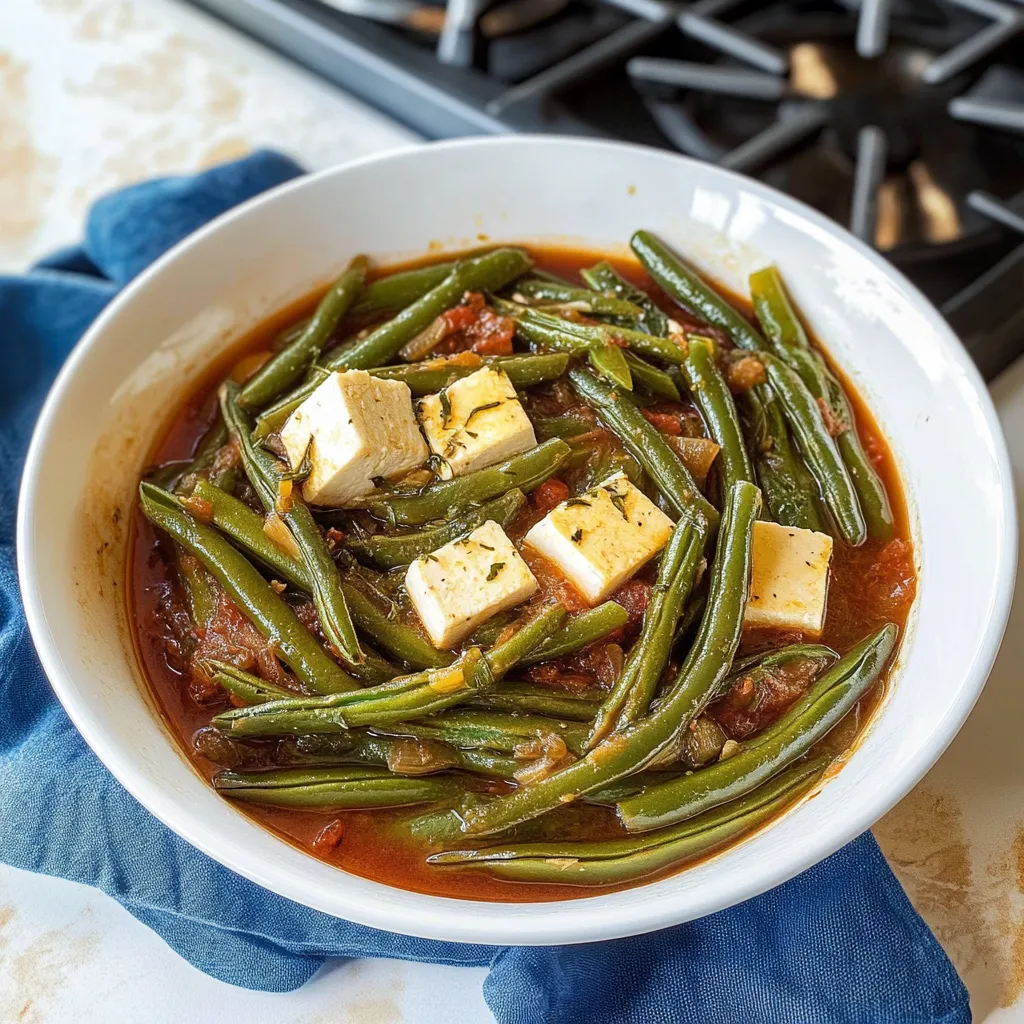
Fasolakia yiahni is one of those dishes that instantly transports me to a sunlit Greek kitchen, even if I’m cooking it on an ordinary weekday at home. Despite the heading name, this section is really about nostalgia, and fasolakia fits that feeling perfectly. It’s humble, comforting, and deeply rooted in home cooking traditions.
In Greece, this dish is part of the ladera family—vegetables slowly braised in generous olive oil and tomatoes. It’s the kind of food that doesn’t rush you. As it simmers, the kitchen fills with the smell of sweet onions, olive oil, and tomatoes melding together. I love how it tastes even better after it sits for a bit, as if it needs time to tell its full story.
What You’ll Need to Make These Sparkling Citrus Treats
This recipe relies on simple, honest ingredients. Good olive oil is essential here—it’s not just a cooking fat, it’s part of the flavor and texture of the dish.
Ingredients:
- 2/3 cup extra virgin olive oil
- 1 large sweet or yellow onion, thinly sliced
- 2–3 garlic cloves, minced
- 1/2 teaspoon cinnamon (optional)
- Salt and pepper to taste
- 2–3 gold or red potatoes (about 1 pound), peeled and cut into 1 1/2-inch pieces
- 1 (15-ounce) can diced tomatoes or 2 large ripe tomatoes, chopped
- 2/3 cup water
- 1 3/4 pounds green beans, cleaned and trimmed
- 3–4 tablespoons chopped fresh parsley
Preparing Your Oranges for Perfect Candying
For fasolakia, preparation is all about respecting the vegetables. Trim the green beans by snapping or cutting off the stem ends. I usually leave them whole—it feels more traditional and gives the dish a rustic look.
Peel the potatoes and cut them into chunky pieces so they hold their shape during braising. Thinly slice the onion so it melts into the sauce, and mince the garlic finely to avoid harsh bites later. Once everything is prepped, the cooking itself feels calm and intuitive.
Crafting the Syrup – The Secret to a Glossy Finish
This step is really about building the base of the dish. Heat most of the olive oil in a wide sauté pan over medium heat, reserving about 1/4 cup for finishing. Add the sliced onions and cook them gently until soft and translucent. You don’t want browning here—just sweetness.
Add the garlic and cinnamon, if using, and stir until fragrant. You’ll notice the aroma change immediately, becoming warm and slightly spiced. This is one of my favorite moments in the recipe.
Simmer, Soak, and Sweeten – How to Candy Orange Slices Like a Pro
Stir the potatoes into the pan, followed by the tomatoes, salt, and pepper. Everything should look glossy and well coated in oil. Pour in the water and bring the mixture to a gentle boil.
Layer the green beans on top without stirring at first, then sprinkle them with a little more salt and pepper. Cover the pan, reduce the heat to medium-low, and let everything simmer for about 30 minutes. The steam softens the beans while the potatoes slowly absorb the tomato-rich sauce underneath.
After 30 minutes, uncover the pan and gently stir so the green beans mingle with the sauce. Cover again and simmer for another 10–15 minutes, until the potatoes are tender and the beans are silky but not mushy.
Tips for Even Cooking and Preventing Bitterness
- Keep the heat gentle to avoid breaking the potatoes.
- Use fresh green beans if possible; they hold their texture better.
- Don’t skimp on olive oil—it creates the signature velvety sauce.
- Taste near the end and adjust seasoning slowly; the flavors deepen as it rests.
These small details make the dish feel balanced and satisfying rather than heavy.
Coating and Drying – Achieving That Signature Crystallized Crunch
While there’s no crunch in fasolakia, the final finishing step is just as important. Stir in the chopped parsley and let it cook for about three minutes. This freshens everything up and adds a subtle herbal note.
Remove the pan from the heat, drizzle in the reserved olive oil, and gently stir. That last splash of oil gives the dish its signature sheen and richness—you can actually see the sauce relax and smooth out.
Serving and Storing Your Homemade Orange Candy
Fasolakia yiahni is traditionally served warm or at room temperature. I often pair it with crusty bread to soak up the sauce, and sometimes a block of feta on the side. It works beautifully as a main dish or as part of a larger spread.
Leftovers keep well in the fridge for up to four days. In fact, I think it tastes even better the next day once the flavors have fully settled.
Creative Ways to Use Candied Oranges in Desserts and Gifts
This dish is incredibly versatile. Serve it as part of a mezze table, alongside grilled fish, or with a simple rice pilaf. During warmer months, I love it chilled slightly and served with lemon wedges for brightness.
You can also mash some of the potatoes into the sauce and spoon it over toasted bread for a rustic lunch. It’s simple food, but it never feels boring.
Variations to Try – From Lemon Slices to Chocolate-Dipped Twists
You can add zucchini or carrots for extra vegetables, or swap potatoes for chunks of sweet potato. Some cooks like adding fresh dill instead of parsley, which gives it a more herbal edge.
If you enjoy spice, a pinch of red pepper flakes works beautifully with the tomato base without overpowering the dish.
Nutrition Snapshot – Sweet Facts About This Classic Treat
Fasolakia yiahni is naturally vegan, rich in fiber, and full of heart-healthy fats from olive oil. The green beans provide vitamins and minerals, while the potatoes make it filling and satisfying. It’s one of those meals that feels nourishing without trying too hard.
Sweet Questions Answered – Your Orange Candy FAQ Corner
Can I make fasolakia ahead of time?
Yes, and it’s encouraged. The flavors improve after a few hours or overnight.
Do I need cinnamon?
No, it’s optional. It adds warmth, but the dish is still wonderful without it.
Can I use frozen green beans?
Fresh is best, but frozen can work in a pinch. Just expect a slightly softer texture.
Is this served as a main or side?
Both. In Greek homes, it’s often a main with bread and feta, especially during fasting periods.
Why is olive oil so important here?
It’s the backbone of the dish, giving richness, body, and that unmistakable Greek flavor.
Fasolakia yiahni is proof that simple ingredients, treated with care, can create something deeply comforting and memorable. Once you make it, it’s the kind of recipe that quietly becomes part of your regular rotation.