
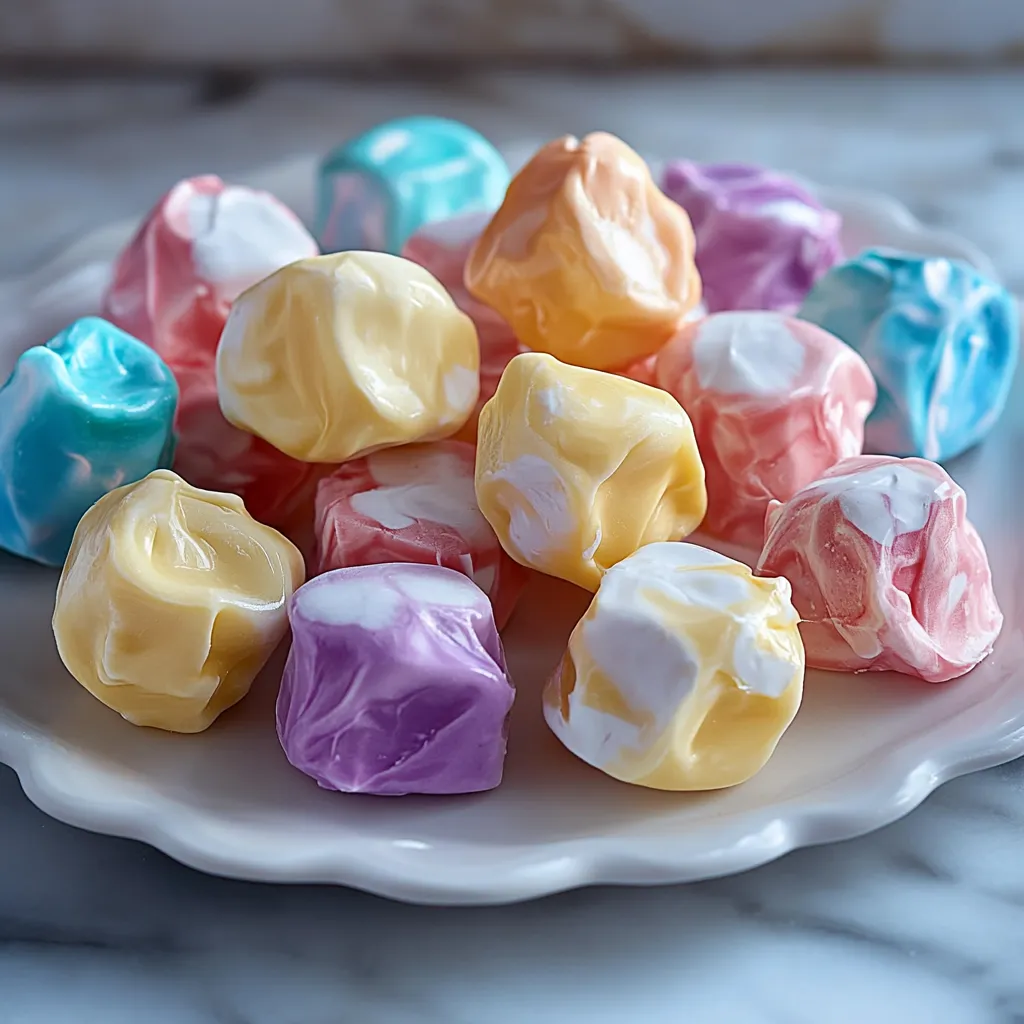
Homemade Saltwater Taffy is one of those nostalgic candies that feels like a seaside memory wrapped in sweetness. Even if you’ve never been to a boardwalk shop, the process of making it at home brings that same playful, old-fashioned charm right into your kitchen. It’s soft, stretchy, and lightly glossy, with endless flavor possibilities depending on what extract you choose.
The first time I made taffy, I honestly expected it to be complicated. But once you understand the stages of cooking sugar, it becomes surprisingly fun. The real magic happens during the pulling stage, when the glossy mixture transforms into a light, chewy candy right in your hands.
Why This Homemade Saltwater Taffy Works So Well
What makes this recipe special is the texture. The combination of cooked sugar, corn syrup, and butter creates a smooth base that turns chewy once it’s pulled. The pulling process adds air, which is what gives taffy its signature softness.
You can also customize it endlessly. Vanilla is classic, but peppermint, strawberry, or even lemon all work beautifully. And the colors make it feel like a proper candy shop treat.
Ingredients You’ll Need
- 1 cup granulated sugar
- ¼ cup light corn syrup
- ¼ cup water
- ½ teaspoon salt
- 1 tablespoon unsalted butter
- ½ teaspoon vanilla extract (or other flavoring)
- ½ teaspoon food coloring (optional)
Step-by-Step Instructions
Prepare your tray
Line a baking sheet with parchment paper and set it aside. You’ll pour the hot candy mixture here later, so make sure it’s ready before you start cooking.
Cook the sugar mixture
In a medium saucepan, combine sugar, corn syrup, water, and salt. Stir gently over medium heat just until the sugar dissolves completely. Once dissolved, stop stirring to avoid crystallization.
Reach the correct temperature
Attach a candy thermometer to the pan and let the mixture boil undisturbed. This is the part where patience matters. Continue cooking until it reaches the soft-ball stage, around 240°F (115°C). The syrup will become thick, clear, and slightly golden.
Add flavor and finish the base
Remove the pan from the heat immediately. Stir in the butter and vanilla or your chosen flavoring. If you’re using food coloring, add it now and mix until evenly blended. The mixture will be glossy and very hot, so handle with care.
Cool the mixture
Pour the hot candy onto your prepared baking sheet. Let it sit until it cools enough to handle safely. It should be warm and pliable, not fully hardened.
Pull the taffy
This is the fun part. Lightly butter your hands to prevent sticking. Lift the edges of the candy and begin stretching and folding it repeatedly. At first it will feel sticky and heavy, but as you continue, it becomes lighter, smoother, and slightly glossy. You’ll notice the color also turns a bit more opaque as air is incorporated.
Shape and cut
Once the taffy becomes firm and easy to handle, shape it into a long rope or log. Use a buttered knife or scissors to cut it into small bite-sized pieces.
Wrap and set
Wrap each piece in wax paper or parchment paper to keep them from sticking together. Let them cool completely before storing.
Texture, Taste, and Kitchen Experience
The final taffy is soft, chewy, and slightly elastic with a smooth sweetness that melts slowly as you eat it. The aroma depends on your flavoring, but vanilla gives it a warm, bakery-like scent that fills the kitchen.
I always enjoy the pulling stage the most. It feels a little messy at first, but it quickly becomes satisfying as the candy transforms in your hands. It’s one of those recipes where you can actually see the chemistry happening.
Helpful Tips for Perfect Taffy
Use a candy thermometer for accuracy. Temperature is everything in candy making.
Don’t stir after the mixture starts boiling or it may crystallize.
Butter your hands well before pulling to avoid sticking.
Pull consistently rather than slowly stopping and starting for the best texture.
Work while the candy is warm; once it cools too much, it becomes hard to shape.
Flavor and Variation Ideas
You can customize this taffy in so many ways. Peppermint gives a refreshing holiday feel, strawberry makes it fruity and bright, and lemon adds a tangy twist. You can even swirl two colors together for a fun striped effect.
For a richer version, add a tiny pinch more butter. For a stronger flavor, slightly increase the extract, but don’t overdo it or it may taste artificial.
Serving and Storage
Once wrapped, store your taffy pieces in an airtight container at room temperature. They stay fresh for about 1 to 2 weeks. Avoid humid environments because moisture can make them sticky.
They also make great homemade gifts. A few wrapped pieces in a small jar or candy bag feel personal and nostalgic, especially with different colors mixed together.
Nutrition Snapshot
Saltwater taffy is a simple sugar-based candy, so it’s definitely a treat rather than an everyday snack. It’s all about small portions and enjoying the texture and flavor experience.
Homemade Saltwater Taffy FAQ
Do I need a candy thermometer?
Yes, it’s highly recommended. It ensures the sugar reaches the correct soft-ball stage for proper texture.
Why is my taffy too hard?
It likely cooked above 245°F, which causes a firmer, more brittle candy.
Can I skip pulling the taffy?
You can, but the texture will be denser and less airy.
What if it gets too sticky while pulling?
Lightly re-butter your hands and continue working. It usually improves as it cools slightly.
Can I make it without corn syrup?
Corn syrup helps prevent crystallization, so leaving it out may affect texture, but glucose syrup can sometimes be used as a substitute.
Homemade Saltwater Taffy is one of those recipes that feels like a little kitchen experiment with a sweet reward at the end. Once you try it, it becomes less intimidating and more like a fun tradition you’ll want to repeat.